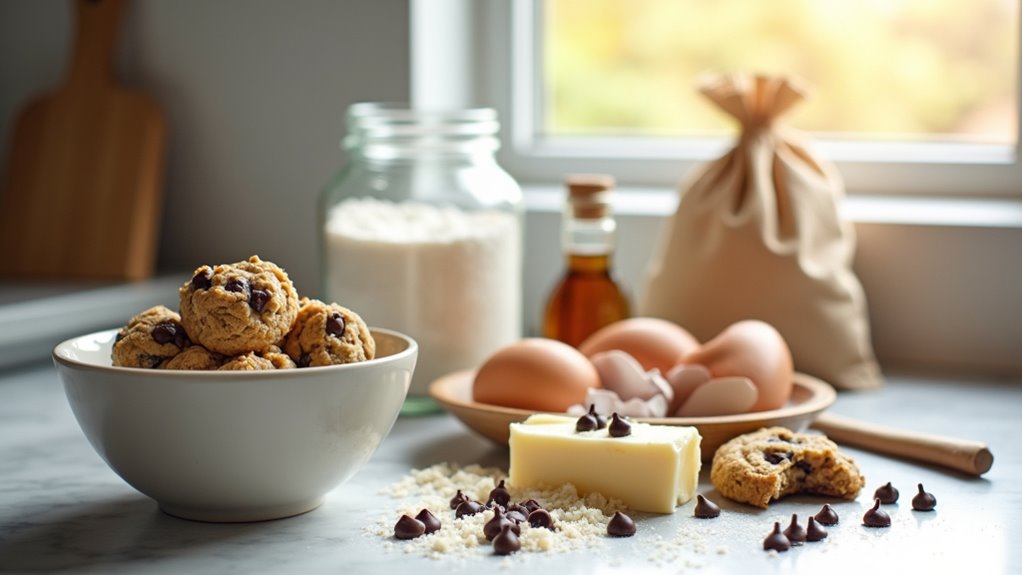
You can use granulated sugar in chocolate chip cookies, but the result will not feel quite the same. White sugar makes cookies thinner, crisper, and lighter in color, while brown sugar adds chewiness and deeper flavor. If you only have granulated sugar, you are still in good shape, and a few small changes can help the cookies taste much closer to the classic version you want.
Can You Use Granulated Sugar in Chocolate Chip Cookies?
Yes, you can use 100% granulated sugar in chocolate chip cookies, and they can still be very good.
The cookies will usually be paler, spread more, and develop a crisper edge, but that doesn’t make them less enjoyable.
Without brown sugar, the flavor is sweeter and more straightforward, and the texture is a little less chewy. Even so, the cookies can stay soft in the center if you remove them when the edges are just set.
If you want a closer match to the flavor of brown sugar, you can add a little molasses or use a half and half mix of granulated sugar and brown sugar.
It also helps to weigh your flour, chill the dough if you want thicker cookies, and add extra chocolate chips for more gooey pockets.
How White Sugar Changes Cookie Texture
White sugar changes your cookies by removing the molasses that brown sugar adds, so you get less moisture, less chew, and a lighter color.
It also melts faster in the oven, which can make your cookies spread more and bake up thinner, crisper at the edges, or slightly lacy.
Because the flavor becomes sweeter and simpler, you may want to rely on good vanilla and chocolate to keep the cookies tasting rich.
Sugar’s Role In Texture
Granulated sugar changes chocolate chip cookies in a big way, and the effect shows up right away in the texture.
When you use granulated sugar, your cookies often spread more and bake with crisp edges. Inside, they can feel a little drier and less chewy because white sugar holds less moisture than brown sugar.
That doesn’t mean you’re limited to flat, plain cookies. If you chill the dough, you can help it firm up and give the cookies a better lift.
You may also notice a lighter, puffier bite when creaming adds more air. If you like a cookie that feels familiar but a bit snappier, granulated sugar can still fit well in your kitchen and your comfort zone.
Browning And Spread
Whenever you bake with only granulated sugar, the cookies usually come out paler and lighter in color because white sugar has no molasses, so it gives you less browning from caramelization and the Maillard reaction. You still get tasty cookies, but they tend to spread more thinly and develop crisper edges.
| Sugar mix | Color | Texture |
|---|---|---|
| 100% granulated | Pale | Thin |
| 50/50 with brown sugar | Golden | Chewy |
| Granulated plus chill | Deeper | Fuller |
If you want your batch to feel more like the cookies your crew loves, chill the dough, add a little flour, or mix in a spoon of molasses. That helps control spread and brings back richer browning without losing the familiar cookie texture.
Why Brown Sugar Makes Cookies Chewier
Brown sugar does more than sweeten cookies because its molasses adds moisture, which helps the centers stay soft and chewy.
That same molasses deepens color and flavor, giving you a richer bite instead of a dry, plain one.
It also limits gluten development and slows spread in the oven, which helps maintain a thick, tender texture.
Sugar’s Role in Texture
Chewy cookies start with the sugar you choose, and brown sugar often works best. Its added moisture helps the dough stay softer as it bakes, which gives you a tender center and a chewy bite.
Granulated sugar behaves differently. Its dry crystals melt and spread faster, which often leads to thinner cookies with crisper edges.
If you want a bakery-style middle, use a mix with at least half brown sugar. That balance helps the dough hold water longer, slows the set, and creates a richer texture.
It also adds a deeper, toastier flavor, so each bite feels warm, familiar, and easy to enjoy. That’s the kind of cookie people want to share.
Molasses and Chewiness
That little bit of molasses in brown sugar does a lot of heavy lifting in your cookies. It adds moisture, so your chewy chocolate chip cookies stay soft instead of turning dry and crisp. Brown sugar also contributes invert sugars and acids, which slow crystal buildup and help keep the crumb tender.
| Ingredient | What it does |
|---|---|
| Brown sugar | Holds moisture and deepens flavor |
| Molasses | Enhances chew and browning |
| Granulated sugar | Makes a firmer, crisper bite |
When you use more brown sugar, at least half of the sugar, you get a richer, caramel-like cookie with chewy edges. If you only have granulated sugar, stir in 1 tablespoon of molasses per cup. That small swap helps you keep the cozy texture you want.
The Best Sugar to Use Instead of Brown Sugar
If you’re out of brown sugar, granulated sugar can still save your chocolate chip cookies. You can use it instead of brown sugar, but expect paler cookies with a crisper edge and a softer, less chewy center.
Because granulated sugar has no molasses, it tastes a little sweeter and browns less. To bring back that cozy flavor, stir in 1 tablespoon molasses per cup for light brown sugar, or 2 tablespoons for dark brown sugar.
If you want better texture, chill the dough so it spreads less. You can also add a little more flour or bake it slightly less. With a few tweaks, your cookies can still feel homemade, warm, and worth sharing.
Ingredients for White Sugar Chocolate Chip Cookies
If you’re making chocolate chip cookies with only white sugar, the ingredient list stays simple and familiar, and you probably already have everything on hand. You’ll mix basic ingredients that help you feel comfortable in the kitchen:
- 1 1/2 cups flour
- 1/2 tsp baking soda
- 1/2 tsp salt
- 1/2 cup butter, 2/3 cup granulated sugar, 1 egg, 2 tsp vanilla, and 1 cup chocolate chips
This white sugar version gives chocolate chip cookies a paler look and a slightly crisper edge. Even so, you can still get soft and chewy centers if you measure carefully and avoid overbaking. Because granulated sugar spreads more than brown sugar, the dough may need a short chill time. That small step helps you bake cookies that feel cozy, familiar, and ready to share.
How to Make Chocolate Chip Cookies With White Sugar
Making chocolate chip cookies with only white sugar is easier than you might expect, and you don’t need brown sugar to bake a warm, homemade batch.
You can mix butter, granulated sugar, an egg, vanilla, flour, baking soda, and salt, then fold in chocolate chips.
This simple dough produces cookies with a lighter color, a crisper edge, and a moist center, so you still get a soft texture that feels comforting.
If you want them to stay a little puffier, chill the dough for a few hours or overnight before baking.
You can also take them from the oven a bit sooner and let the hot sheet finish the job.
That way, you bake cookies that feel right at home on your table.
Why Superfine Sugar Makes a Difference
Superfine sugar matters because its tiny grain size dissolves faster, creating a smoother batter with less graininess.
It also creams more evenly with butter, which helps cookies bake with a finer crumb and a softer bite.
Because it blends in so well, you may notice slightly less spread and a somewhat puffier cookie.
Grain Size Effects
- You get a finer crumb.
- Your cookies spread less.
- The center stays softer.
- The bite feels smoother and more balanced.
If you’re baking with friends or family, that extra polish helps your batch feel like it belongs on the best tray in the room.
Even a small change in grain size can make your cookies feel more welcoming and easy to love.
Faster Dissolving Sugar
As you use sugar with smaller crystals, it slips into the butter more quickly and blends more evenly into your cookie dough. That’s why superfine or caster sugar can feel like a small upgrade when you cream the butter. Its tiny grains dissolve sooner than granulated sugar, so you spend less time beating and more time moving on to the next step.
In a busy kitchen, that can shorten mixing time and help you avoid overworking the dough. You also get a smoother sugar-butter base, which means less grittiness in the finished cookies. If you only have granulated sugar, pulse it for a few seconds in a blender or food processor. You’ll get closer to that fine, easy to mix texture and keep your baking moving.
Texture And Spread
A small change in sugar can quietly change the whole cookie. When you use superfine granulated sugar, it blends into butter and eggs faster, so the dough feels smoother and bakes into a finer, more tender crumb. You won’t get that sandy bite, and the cookies can feel more welcoming from the first bite.
- More even mixing
- Less grittiness
- Slightly more spread
- Softer center, crisp edge
Regular granulated sugar can trap more air, which may make cookies taller, but it can also make the texture less even. If you want better control, chill the dough and measure flour carefully. That helps balance spread and keeps chewiness in a good range, so the batch feels just right for you and your people.
How to Keep Cookies Soft and Thick
To keep chocolate chip cookies soft and thick, start by controlling how the dough behaves before it ever hits the oven. Use a little more flour than fat, and weigh it so you don’t end up with flat cookies or dry ones. Swap some granulated sugar for brown sugar, or add a spoon of molasses or an extra yolk, and you’ll build in more moisture and chew.
Then scoop larger dough balls, barely flatten them, and press on a few extra chips so they look bakery made. Bake at 350°F until the edges set but the centers still look pale. After that, let them rest on the hot sheet for 10 minutes. That gentle finish keeps the middle soft, gooey, and thick, just like you hoped.
Why Chilling the Dough Helps
Chilling the dough helps much more than people expect, because cold dough behaves in a calmer, more controlled way in the oven. When you chill the dough, the butter firms up, so your cookies spread less and stay thicker. That gives you the cozy cookie shape many people want.
- Refrigerate scooped dough balls for 2 to 4 hours.
- Overnight chilling works even better for bakery style results.
- Cold dough gives you a chewier interior and a softer crumb.
- It also concentrates flavor, so each bite tastes richer.
If you bake from chilled dough, you also control doneness better, since the dough starts colder and resists overbaking. So when you want cookies that look and taste more polished, let the dough rest first.
How Long to Bake White Sugar Cookies
You’ll usually bake white-sugar chocolate chip cookies at 350°F for about 8 to 11 minutes, or a little longer if the scoops are larger or the dough is chilled or frozen.
Watch for edges that look set and lightly golden, while the centers still look pale and soft.
Then let them sit on the hot pan for a few minutes, because that carryover heat finishes the job without drying them out.
Bake Time Basics
Once your cookie dough is ready, the oven does most of the hard work, but timing still makes all the difference. For white sugar cookies, your bake time usually lands at 350°F for 8 to 13 minutes, depending on size. You’ll feel more confident when you match the cookie to the clock.
- Small scoops, about 1.5 tablespoons, usually need 8 to 11 minutes.
- Larger dough balls, around 1 1/2 ounces, often need 10 to 13 minutes.
- Frozen dough needs 3 to 5 extra minutes, so give it a little patience.
- Set the dough on a baking sheet, then let it cool there for 5 to 10 minutes.
That rest helps the centers finish softly, so you get the cozy texture everyone loves.
Doneness Signs
Now that your dough is shaped and ready to go, the real test is knowing when to pull those white sugar cookies from the oven. At 350°F, they usually need 8 to 13 minutes, but size matters.
Watch for signs, not just color, because granulated sugar keeps the cookies pale. Once the edges begin to tan and the centers look matte instead of glossy, you’re close.
They should feel set around the rim and still be a little underbaked in the middle. That soft middle is good; the hot sheet finishes the bake.
If you wait for deep browning, you have gone too far. Pull them when they spring back slightly, then let them cool completely on the pan so they firm up into that chewy, bakery-style bite.
Cooling On Pan
As soon as the cookies leave the oven, the real work starts because that short cooling time on the pan is what turns a pale, soft cookie into the right texture. Use the baking sheet as the initial landing spot, then let the white cookies cool on the pan for about 10 minutes. That pause lets carryover heat finish the centers without drying them out.
- The edges keep setting.
- The middle firms up gently.
- The cookie stays soft, not doughy.
- You avoid broken cookies and soggy bottoms.
If you bake frozen dough, add a few extra minutes, then still cool the cookies on the pan. After that, move them to a rack so steam can escape. You’ll get cookies that feel like they belong at your table.
Common Mistakes That Make Cookies Dry
Dry cookies usually start with a few small baking mistakes that add up fast. If you swap brown sugar for only granulated sugar, you lose the molasses moisture that keeps cookies soft.
If you scoop flour directly from the bag, you may pack in too much, and that extra flour soaks up fat. Also, don’t overbake. Pull the cookies when the edges look set and the centers still seem pale, because they keep cooking on the hot sheet.
You also need enough butter, and it should be softened, not icy, so it creams well and gives you tender cookies. Finally, use the whole egg, not just the whites, because the yolk helps hold in moisture and makes each bite feel richer and more like home.
Easy Mix-Ins and Chocolate Options
For the fun part, you can treat chocolate chip cookie dough like a flexible base and make it your own without affecting the bake. A little brown sugar keeps the base tender, while smart add-ins bring personality and warmth.
- Use about 1 cup semi-sweet chocolate chips for a classic bite.
- Swap in chocolate chunks for gooey pockets and bigger melts.
- Add 1/2 to 1 cup toasted walnuts or pecans for crunch.
- Press a few extra chips on top before baking for a pretty, gooey finish.
Keep total add-ins near 14 oz so the dough stays balanced. If you want more texture, choose firm mix-ins that won’t add extra moisture. That way, you’ll bake cookies that feel homemade, welcoming, and just right for sharing.
How to Store and Freeze the Cookies
Once you have loaded your dough with chips, chunks, or nuts, the next step is making sure every cookie stays just as inviting later. Store fully cooled cookies in an airtight container at room temperature for 5 to 6 days, and add a slice of bread to help keep them soft. If you need more time, freeze baked cookies in a single layer first, then transfer them to a freezer bag for up to 2 months. When you are ready, thaw them at room temperature and enjoy that fresh baked feel.
| Method | How You Do It | Time |
|---|---|---|
| Room temp | Airtight container | 5 to 6 days |
| Freeze baked | Single layer, then bag | Up to 2 months |
| Freeze dough | Scoop, freeze, bag | Up to 2 months |
You can also freeze the dough, then bake it from frozen with a few extra minutes.
Simple Recipe Variations to Try
Want to switch up your chocolate chip cookies without changing the whole recipe? Try these simple tweaks and keep your cookie crew happy.
- Add 1 tablespoon molasses per cup of granulated sugar for a softer, richer taste.
- Chill the dough overnight if you want thicker, puffier chocolate chip cookies.
- Press extra chips on top for gooey pools and a bakery look.
- Pull them once the edges set, then let them rest on the hot sheet.
Using granulated sugar alone gives you lighter, crisper cookies than brown sugar, but you can still build moisture and flavor quickly.
A little molasses brings back that cozy depth, while chilling helps control spread.
This gives you the best of both worlds without fuss.
Frequently Asked Questions
Can I Make Chocolate Chip Cookies With Just Granulated Sugar?
Yes, you can. It works as a quick swap. You will get paler, crisper cookies, so adjust texture, control browning, manage sugar substitution, and hydrate the dough by chilling it and watching the bake time closely.
Can I Use Powdered Sugar in a Cookie Recipe Instead of Granulated Sugar?
Yes, you can use powdered sugar, but expect texture differences and a softer sweetness level. You will need to adjust sugar substitutes carefully because the creaming method will not work the same, and your cookies might spread more.
Are There Cookies for Diabetics?
Yes, your friend could bake diabetic-friendly cookies, like almond flour chocolate chip ones sweetened with fruit-based sweeteners. You would want low-sugar recipes, to watch the glycemic index, and to practice portion control so you still feel included.
Can a Kidney Patient Have Chocolate Chip Cookies?
Yes, you can sometimes enjoy chocolate chip cookies if you choose kidney friendly swaps, watch potassium concerns, use sugar alternatives, and respect sodium restrictions. You will fit in best by keeping portions small and asking your dietitian.