
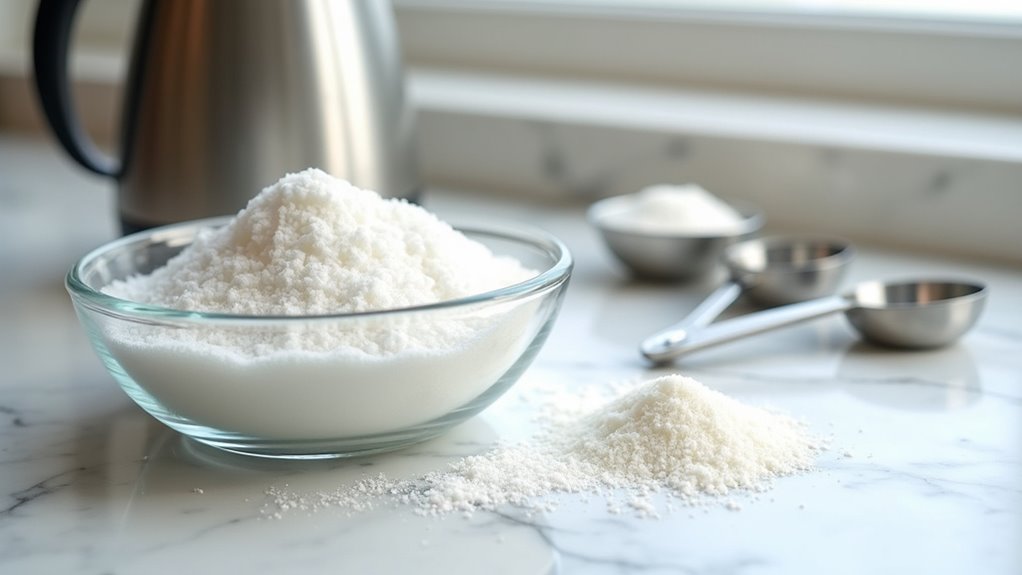
Yes, you can turn granulated sugar into powdered sugar at home, and it is easier than you might expect. With the right blender, a little cornstarch, and a quick sift, you can get a fine, fluffy result that works well for frosting, dusting, and glazes. The key is in the details, because the sugar’s texture and how you store it can make all the difference.
What Is Powdered Sugar?
Powdered sugar is the soft, snowy form of granulated sugar that you often see in frostings, glazes, and on top of warm treats. You may also know it as confectioners sugar. It helps create a smooth finish in desserts.
It starts as sugar ground into a very fine powder, then a small amount of cornstarch is added so it stays loose and doesn’t clump. That fine texture helps it dissolve quickly, so icing feels silky instead of grainy.
Because it takes up more space than granulated sugar, one cup appears larger after processing. It also behaves differently in recipes because it thickens frostings and helps them hold together.
How Do You Make Powdered Sugar at Home?
If you have ever stared at a bowl of granulated sugar and wished it could behave like the soft, airy version from the store, you can make it at home in minutes. To make powdered sugar, add 1 cup sugar and 1 tablespoon cornstarch, if desired, then blend on high for 30 to 60 seconds. For a larger batch, use the guide below.
| Sugar | Cornstarch | Yield |
|---|---|---|
| 1 cup | 1 tbsp | About 2 cups |
| 2 cups | 2 tbsp | About 4 cups |
| Blend well | Fine powder | Fluffy texture |
| Cool jar | Airtight lid | Less clumping |
| White sugar | Optional swaps | Darker flavor |
Let the container settle at first, then sift the sugar to catch any lumps. Store your homemade powdered sugar in a cool, dry place.
What’s the Best Sugar-to-Cornstarch Ratio?
A good starting ratio is 1 cup granulated sugar to 1 tablespoon cornstarch. That mix usually gives you the light, fluffy texture you want with less clumping.
When you make powdered sugar at home, this balance helps your granulated sugar behave more like the store-bought kind you trust in frosting and dustings. If you want a little less starch, try 1 cup sugar with 2 teaspoons cornstarch, but expect a bit more clumping and softer icing.
For larger batches, you can scale up to 2 cups sugar and 2 tablespoons cornstarch. Use white or cane sugar for the cleanest look and mild taste.
That way, your powdered sugar feels familiar, smooth, and ready whenever you are.
What Blender Works Best for Powdered Sugar?
A high-speed blender works best when you want powdered sugar that feels light and fine.
It can turn granulated sugar into a fluffy result in under a minute.
If your blender has a strong motor and sharp blades, you’ll get smoother sugar with fewer gritty bits, especially in small batches.
For the best texture, use short bursts and keep each batch to about 1 to 2 cups so the sugar blends evenly without making a sweet little cloud.
Best Blender Types
Your blender can make a big difference here, and the good news is that you don’t need fancy gear to get close to store-bought powdered sugar.
High-speed blenders work best because they turn granulated sugar into a fluffy, snow-like powder in about 30 seconds, which is ideal when you want smooth icing and less waiting.
Standard countertop blenders can still help, but they usually need 1 to 2 minutes or more, and the sugar may feel a bit grainier unless you sift it.
Keep each batch small, about 1 to 2 cups, so the blades can move evenly.
Let the powder settle before opening the lid, then sift it through a fine mesh to catch any grit and keep your baking circle happy.
High-Speed Blender Picks
High-speed blenders like Vitamix and Blendtec usually give you the best results when you want powdered sugar that feels light, smooth, and close to store-bought. You can trust high-speed blenders because their strong motors turn granulated sugar into a fluffy finish in 30 to 60 seconds. That speed helps your homemade powdered sugar recipe stay fine without extra heat or messy dust clouds.
| Blender | Best Use | Result |
|---|---|---|
| Vitamix | Fast grinding | Very fine |
| Blendtec | Smooth blending | Light and fluffy |
| Regular blender | Basic use | May need more time |
For the best feel, choose a model with at least 1.5 to 2.0 peak HP. Then sift the sugar, and you will get a sweet result that fits right in at home.
Batch Size Tips
Whenever you make powdered sugar at home, batch size matters just as much as the blender itself, because even the best machine can struggle if you overload it. You’ll get smoother sugar in a blender when you keep the quantity of powdered sugar small and steady. Most home blenders handle 1 to 2 cups of granulated sugar per run best.
- Use a high-speed blender for the fastest, finest result.
- Add the sugar and cornstarch together for even blending.
- Expect the volume to nearly double, so plan your container.
- Let the mix settle, then sift it before storing.
If you need more, make several small batches. That keeps the motor calmer, the texture finer, and your kitchen crew happy with every fluffy spoonful.
How Do You Store Homemade Powdered Sugar?
To keep homemade powdered sugar fresh, pour it into a clean, airtight container as soon as it cools and dries. Choose a glass jar or a resealable plastic box, then keep it at room temperature, away from heat and humidity. That simple step helps you protect your batch the same way you’d protect a favorite store bought treat.
Next, label the jar with the date so you know it’s best within about 6 months. If you want extra moisture protection, tuck in a food safe desiccant packet or a teaspoon of uncooked rice wrapped in cheesecloth. Also, store vanilla or other flavored blends separately in glass jars so their scent stays put. If clumps appear, shake the container or sift the sugar before use.
How Can You Use Homemade Powdered Sugar?
You can whisk homemade powdered sugar into frostings and icings just like the store-bought kind, so your buttercream or glaze turns out smooth and sweet.
It also works well for dusting pancakes, pastries, and other baked treats when you want a soft, snowy finish.
If you’re filling cookies or making a delicate icing, sift it first so you get a finer texture and fewer lumps.
Frostings And Icings
Homemade powdered sugar can save the day whenever frosting needs a smooth, fluffy finish. You can make homemade powdered sugar with granulated sugar and a little cornstarch, then use it cup for cup in your favorite frostings. It blends into buttercream, vegan frosting, and quick icings without throwing off the texture. For the best result, sift it initially so tiny grains don’t sneak in and spoil that silky bite.
- Whip it into buttercream for birthday cakes.
- Stir it into vegan frosting for a soft, dreamy spread.
- Use it in glaze for warm cinnamon rolls.
- Mix it into carrot cake icing for a steady, glossy coat.
Because cornstarch helps slow melting, your icing stays put a little longer, so you can decorate with confidence and feel right at home.
Dusting Baked Goods
A quick dusting can change a treat from ordinary to party-ready in seconds. You can make that finish with homemade powdered sugar, and it feels like a little bakery magic. Blend 1 cup sugar with 1 tablespoon cornstarch until it turns fine, then sift it so the powder stays soft and free-flowing.
Next, shake it lightly over cakes, cookies, pancakes, or French toast with a fine-mesh sieve or small shaker. You only need a little, since about 1 tablespoon covers an 8-inch cake top.
For dark treats, dust right before serving so the sugar stays bright. If you prefer a cozy twist, whisk in a pinch of cinnamon or vanilla sugar per cup, and share that warm, finished look with everyone.
Baking And Filling Uses
For baking and filling, this simple sugar swap can save the day. When you make homemade powdered sugar, blend 1 cup sugar with about 1 tablespoon cornstarch, then use it right away in icings, buttercreams, and glazes. You’ll get a smooth finish that looks right at home on a bakery shelf.
- Whip it into buttercream for fluffy cakes.
- Sift it into royal icing to keep it silky.
- Stir it into cream cheese filling for a softer spread.
- Use it in glazes, then dust finished treats with a light touch.
The cornstarch helps prevent clumps and keeps fillings from melting too fast. Store extra in an airtight jar, and shake or sift it whenever humidity sneaks in.
Frequently Asked Questions
How Do I Turn Granulated Sugar to Powdered Sugar?
You’ll blend granulated sugar until it becomes a fine powder, then sift it for an even texture. Add a little cornstarch if desired, and store it in an airtight container so it won’t clump.
Is There a Powdered Sugar for Diabetics?
No true powdered sugar for diabetics exists, but you can use powdered sugar substitutes such as erythritol or monk fruit blends. These options have a lower glycemic impact, and they can help you feel included at dessert time.
What Do I Do if I Don’t Have Powdered Sugar?
You can make a quick substitute by blending granulated sugar until it becomes powdery. Add cornstarch to adjust the texture, or use a substitute sweetener if needed. You will still get smooth frosting, and you are not alone in doing it.
How to Make 1 Cup of Powdered Sugar From Granulated Sugar?
Turn granulated sugar into powdered sugar by blending 1 cup of sugar with 1 tablespoon of cornstarch, if desired, for 30 to 60 seconds. Use this blender method, then sift out any lumps and store the powdered sugar in an airtight container.