
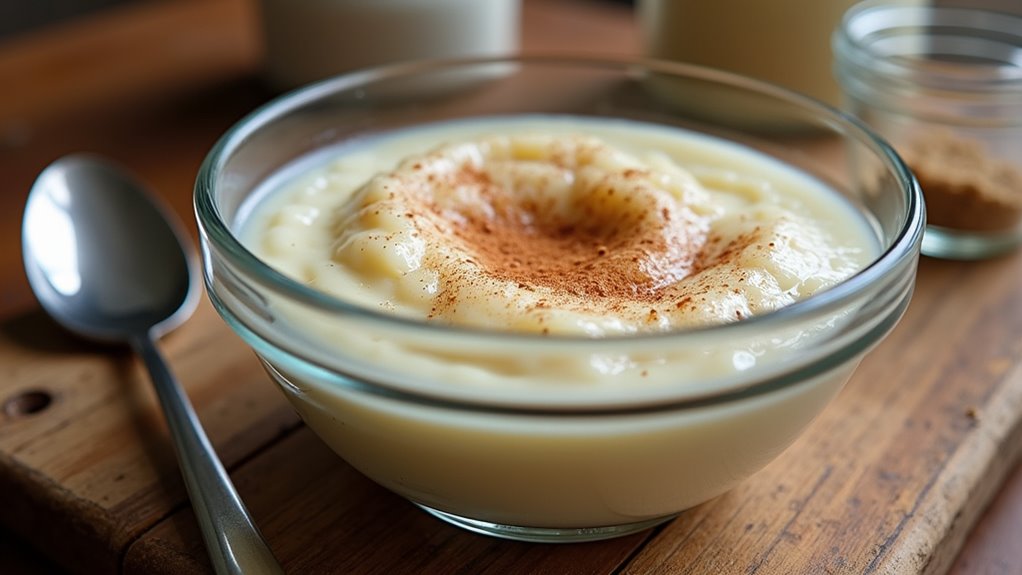
Yes, you can freeze homemade rice pudding, and when you do it the right way, you can save a sweet treat for later without much fuss. The key is to cool it first, pack it well, and understand that the texture may change a bit after thawing. If you want it to stay creamy instead of clumpy, a few smart steps make all the difference, and the good news is that fixing it is usually easier than you might expect.
Can You Freeze Homemade Rice Pudding?
Yes, you can freeze homemade rice pudding, and it usually keeps well for about 2 to 3 months if stored properly.
To freeze it, let it cool completely, then transfer it to airtight, freezer-safe containers or flat freezer bags with about 1 inch of headspace.
If you portion it into single servings, reheating later will be easier and less messy.
Seal the containers tightly, label them with the date, and place them in the freezer before freezer burn develops.
When you’re ready to use it, thaw it overnight in the refrigerator, not on the counter.
Reheat it gently, stir often, and add a little milk or cream if needed.
What Happens to Rice Pudding in the Freezer
If you freeze rice pudding, the texture usually changes a bit and it can turn grainier or less creamy after thawing.
You may also notice the dairy separating, which can leave a little watery liquid on top, but that’s normal and easy to stir back in.
For the best results, thaw it overnight in the fridge, then reheat it slowly and stir well so it becomes creamy again.
Texture After Freezing
Freezing can change rice pudding in a few ways, and the biggest shift usually shows up in the texture.
When you freeze leftover rice pudding, the rice keeps soaking up moisture and the starch can set more firmly. That can make each spoonful feel a little mealy instead of silky.
If you used whole milk or a splash of cream, you’ll usually get a richer result than if you used skim milk or some plant milks.
You can help your pudding by cooling it first, packing it in airtight containers with a little headspace, and then thawing it slowly in the fridge.
After that, stir in 1 to 2 tablespoons of milk or cream and warm it gently so it feels cozy again.
Dairy Separation Risk
Even if the texture starts out decent, dairy can still cause problems once rice pudding goes into the freezer. When you freeze it, the milk or cream can separate, and water may seep out as a thin layer after thawing. That can make the pudding look less smooth and more patchy.
If you used egg as a thickener, freezing can also leave a slightly grainy feel or a curdled appearance if the egg wasn’t tempered well. You’ll usually get better results with whole milk or cream, since higher fat content holds together better than low-fat milk. Nondairy milks often break apart more easily.
Also, if you keep it frozen too long, past about two months, the mixture loses quality faster.
Best Thawing Method
For the smoothest thaw, move your frozen rice pudding from the freezer to the refrigerator and let it sit overnight. This slow chill helps reduce the risk of bacteria and keeps icy patches to a minimum.
Allow a small portion about 8 to 12 hours to thaw in the refrigerator, and expect a little graininess or extra moisture because the dairy may separate. After it softens, stir it well.
Then warm it gently on the stove over low to medium heat, or use short microwave bursts and stir every minute. Add 1 to 2 tablespoons of milk or cream per cup to restore creaminess.
Don’t thaw it on the counter, since that can lead to curdling and hot spots.
Best Containers for Freezing Rice Pudding
For the best results, use airtight, freezer-safe rigid containers or heavy-duty freezer bags, and leave about 1 inch of space at the top so the pudding can expand. If you want easier thawing, freeze it flat in resealable bags first, then stack them once they’re solid. Single-serving containers can also help you avoid thawing more than you need, which helps keep the texture as good as possible.
Freezer-Safe Bags
Freezer-safe bags can make rice pudding storage feel much less fussy, and they work especially well when you freeze the pudding in small, ready-to-use portions. When you use freezer-safe bags, you keep things simple and still protect your batch.
- Spoon in 1 cup portions.
- Leave about 1 inch of headspace.
- Press out extra air, then seal tightly.
- Lay the bags flat on a baking sheet until solid.
After that, you can stack them neatly and save space with ease. For rice pudding you plan to keep longer than 2 months, double-bag it or wrap it in foil to block odors and moisture loss. Write the contents and date on each bag so you always know what’s inside.
Thaw overnight in the fridge, then warm it with a little milk for a creamy finish.
Airtight Containers
A sturdy container can make all the difference when you freeze rice pudding because it protects the creamy texture you worked so hard to achieve.
Choose a rigid freezer-safe plastic box or a freezer-safe glass jar with a tight-fitting lid, and leave about 1 inch of headspace so the pudding can expand without cracking.
If you prefer bags, use heavy-duty freezer bags, press out the air, and seal them well.
An airtight container helps block freezer burn and keeps moisture in, so your pudding stays smoother and more appealing later.
Vacuum-sealed pouches also work well for longer storage.
Label each container with the date and contents, then place it in the freezer within two months for best quality.
Portioning For Easy Thawing
Portioning rice pudding into single-serving containers is one of the easiest ways to make thawing less stressful later. You’ll feel more prepared when each portion is ready to go, like a small treat waiting for you. For the best fit, follow these steps:
- Spoon the pudding into airtight, freezer-safe cups or bags.
- Leave 1 inch of space at the top for expansion.
- Lay freezer-grade zip-top bags flat and press out extra air.
- Label each pack with the date, then freeze for up to 2 months.
If you use tempered glass jars, keep the same inch of space and avoid sudden temperature changes.
For the smoothest texture, freeze without raisins or nuts, then stir them in after reheating.
How to Portion Rice Pudding for Freezing
Start by dividing the rice pudding into single servings so freezing and reheating stay easy later. Use 1-cup freezer-safe containers or 8 to 12 oz freezer bags, and leave about 1 inch of space in rigid cups. If you use bags, flatten them to a 1/2 to 3/4 inch layer so they freeze evenly and stack neatly.
Let the pudding cool completely, but no longer than two hours, before sealing. Then label each portion with the contents and date.
For best results, freeze portions flat in labeled freezer bags for up to 2 months, with 3 months acceptable. Skip fruit and nuts for now; you can add them once you reheat.
When you’re ready, thaw a portion overnight and warm it gently with a splash of milk.
How Long Rice Pudding Lasts in the Freezer
Homemade rice pudding keeps well in the freezer for about 2 to 3 months for the best taste and texture. After that, it can still remain safe as long as it stays frozen continuously, but the quality may decline a bit.
This means you can store a few portions for later and still enjoy a comforting dessert whenever you want.
- Freeze it soon after cooling.
- Keep it in airtight, freezer-safe containers.
- Leave about 1 inch of space for expansion.
- Label the date so you know how old it is.
Over time, you may notice slight graininess or a little water separation. That’s normal and doesn’t mean anything was done wrong.
How to Thaw Rice Pudding Safely
Thaw your rice pudding overnight in the fridge so it stays safe and maintains its texture.
Once thawed, warm it gently over low heat or in short microwave bursts, and stir often so it doesn’t split or scorch.
If it looks a little watery, keep stirring as you heat it, and add a splash of milk to restore its creamy feel.
Overnight Refrigerator Thaw
For the safest and best tasting results, move your frozen rice pudding from the freezer to the refrigerator and let it thaw undisturbed overnight, which usually takes about 8 to 12 hours. Keeping it below 40°F helps it stay safer than sitting on the counter. Think of it as a slow, gentle thaw.
- Place the container on a shelf.
- Keep the lid on.
- Plan ahead for thicker portions, which can take up to 24 hours.
- Check that it feels fully soft before serving.
This refrigerator thaw helps preserve a smoother texture. Use it within 24 to 48 hours, and don’t refreeze it once it has thawed.
Reheat Gently, Stir Often
Once your rice pudding has thawed in the refrigerator, warm it gently so it stays creamy instead of turning lumpy or dry. To keep it safe and smooth, reheat it on low to medium heat and stir often so the milk and rice blend back together. If you use a microwave, heat it in short 20 to 30 second bursts at medium power, then stir between each round.
| Method | Best move |
|---|---|
| Stovetop | Stir often over low heat |
| Microwave | Heat in short bursts |
| Dry texture | Add 1 to 2 tablespoons milk |
If it looks grainy, add a splash of milk or cream. If you plan to eat it right away, bring it to 165°F, then let it cool slightly.
How to Reheat Rice Pudding Without Curdling
To reheat rice pudding without curdling, keep the process gentle so the custard stays smooth. Reheat thawed rice pudding over low to medium-low heat in a saucepan, stirring frequently to distribute the heat and prevent the egg-thickened custard from curdling.
- Add 1 to 2 tablespoons of milk, cream, or coconut milk per cup.
- Temper any cold portion with a little hot pudding first.
- Heat until it’s just steaming, not boiling.
- For small bowls, use the microwave at 50% power, stirring every 20 to 30 seconds.
Then stir in a little butter or vanilla, and serve while creamy.
How to Fix Grainy Rice Pudding
A grainy rice pudding can feel like a small kitchen setback, but you can usually bring it back to life. Start with gentle heat and stir often, because high heat can tighten the starch. Use short or medium grain rice, such as arborio, for a creamier rice pudding recipe.
| Fix | Why it helps |
|---|---|
| Low heat | Keeps starch calm |
| Slow whisking | Smooths texture |
| Milk or cream | Loosens thick pudding |
| Quick blending | Breaks up grainy bits |
If you chilled or froze it, reheat it slowly and add a little milk or cream. If you want more body, temper a beaten egg first, then stir it in. For a stubborn batch, blend a small amount, then warm it again. You are not failing, you are just adjusting the texture.
How to Fix Separated Rice Pudding
Separated rice pudding can look unusual, but it’s usually easy to fix. You aren’t alone, and your batch can come back together with a little care.
First, thaw it overnight in the fridge, not on the counter. Then reheat it gently over low to medium heat while you stir.
- Whisk in a splash of milk or cream.
- Stir often so the starches and fats blend again.
- If it still looks curdled, blend it briefly.
- Warm it just until smooth, then serve.
If your recipe used egg, whisk in warm milk slowly as it heats. That helps smooth out graininess quickly.
When you go slowly, the pudding usually turns creamy again, and it still feels like comfort food.
How to Freeze Rice Pudding With Raisins or Fruit
Freezing rice pudding with raisins or fruit takes a little extra care, but it can still work well if you plan ahead.
First, let the pudding cool to room temperature so you don’t trap extra moisture. Then spoon it into airtight, freezer-safe containers or flat freezer bags, leaving about 1 inch of space for expansion.
Label each container with the date and contents, then freeze for up to two months. For the best texture, add raisins or fresh fruit after reheating, since they can become soft or watery in the freezer.
When you’re ready to use it, thaw the pudding overnight in the fridge, not on the counter. Reheat it gently, stir well, and add a little milk or cream to restore the creamy texture.
When Freezing Rice Pudding Is Worth It
Keeping homemade rice pudding in the freezer makes sense if you know you won’t finish it within 3 to 4 days. You can save your portion and avoid waste, especially when you want a cozy treat ready later. Freezing is worth it when you have made a big batch or want to keep it for two months.
- Portion it into freezer safe containers.
- Leave 1 inch of headspace.
- Use whole milk or a little cream.
- Label the date and freeze it quickly.
When you thaw it, you might notice a softer texture. That’s normal. Stir in 1 to 2 tablespoons of milk or cream and warm it gently.
Skip fresh fruit or nuts until after thawing, so your rice pudding still feels like a treat you made for yourself.
Frequently Asked Questions
How Long Will Homemade Rice Pudding Last in the Refrigerator?
You can keep homemade rice pudding in the fridge for 3 to 4 days, with shorter storage for egg- or dairy-rich batches. Cool it first, label it, and trust your senses.
Is Rice Pudding Good for Diabetics?
Rice pudding is not ideal for diabetics, but a small portion can fit into your meal plan with careful glucose control. Choose lower sugar recipes, add protein, and monitor your blood sugar response.
Does Freezing Change Rice Pudding’s Texture?
Yes, freezing can dull your rice pudding’s velvety texture, making it a bit grainy or watery. You can still enjoy it if you thaw it overnight, then reheat it gently and stir in a splash of milk.
Can You Eat Rice Pudding With Crohn’s?
Yes, you can often eat rice pudding with Crohn’s provided you tolerate dairy. Its low fiber may help, but watch for any personal sensitivity to dairy or rich foods. Choose smooth, low-fat portions, and check with your dietitian first.