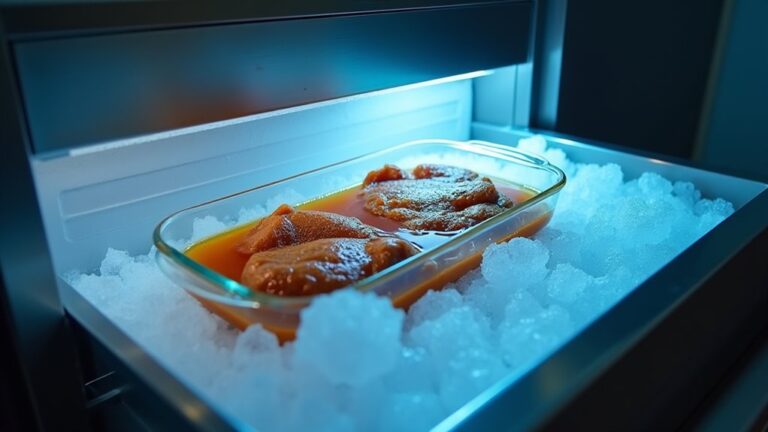
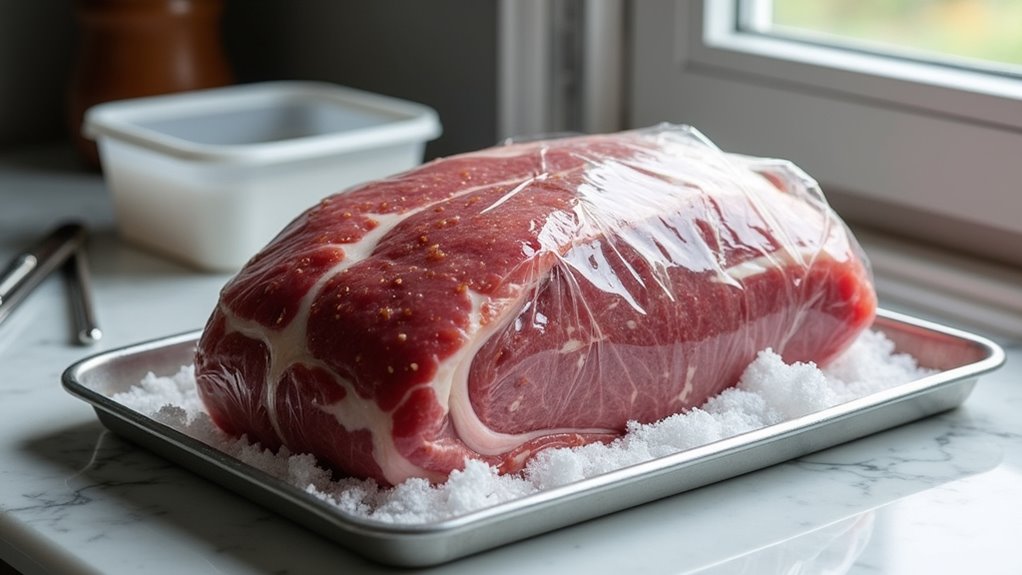
Yes, you can freeze uncooked corned beef, and doing it the right way helps preserve its rich, salty flavor. You should handle the brine first, because too much liquid can freeze into ice and affect the texture later. After that, the wrapping matters, as does the storage time. If you want the meat to stay tasty instead of turning into a freezer mystery, the next steps matter.
Can You Freeze Uncooked Corned Beef?
Yes, you can freeze uncooked corned beef, and it’s a smart way to save a brisket for later without wasting it.
To freeze corned beef properly, drain the pickling juices, then wrap it tightly in plastic wrap and place it in a freezer bag, or use a vacuum seal. This helps reduce freezer burn and keeps the texture closer to fresh. Add a label with the freeze date so you can track storage time with confidence.
USDA says quality is best for about 1 month, but the brisket may remain usable for 2 to 3 months in a home freezer.
When you’re ready to cook it, thaw it in the refrigerator, then cook it to 145°F before serving. That helps keep the meal safe and ready for dinner.
Should You Drain the Brine First?
Yes, you should drain the brine before freezing uncooked corned beef, since the salty liquid can affect texture and flavor during storage.
After that, rinse the brisket and wrap it tightly to block out as much air as possible.
Then freeze it as soon as you can for the best quality, because it will keep best during the first 1 to 3 months.
Drain Before Freezing
Before you freeze uncooked corned beef, drain off the pickling brine completely. Draining helps protect the meat from salty liquid that can leave it overly salty and toughen the texture. Next, rinse the brisket to wash away surface spices and extra salt. Then pat it dry so moisture does not linger and make freezer damage worse. Here is a quick guide:
| Step | Why it helps |
|---|---|
| Drain | Cuts salty liquid |
| Rinse | Reduces surface salt |
| Pat dry | Lowers ice crystals |
| Freeze | Keeps quality steadier |
After that, wrap it tightly in plastic wrap or vacuum-seal it, then slide it into a freezer bag. For best quality within one month, label it with the freeze date. If you thaw it and notice an off odor, discard it and trust your nose.
Wrap Tightly After Draining
Once you have drained and rinsed the corned beef, wrap it tightly so freezer air can’t reach it. Drain the pickling brine first, then rinse the brisket to wash off excess salt and spice.
After that, wrap it in two layers of plastic wrap, pressing out as much air as possible. Place it in a freezer bag or vacuum seal it for even better protection. This helps prevent bloated packaging and keeps texture changes from starting too soon.
Don’t forget to write the freeze date on the package, so you know when it went in. For best home results, use it within 1 to 3 months. A little care now helps your corned beef stay in good shape, and you’ll be ready when dinner time comes around.
Freeze For Best Quality
For the best results, drain the pickling brine from your uncooked corned beef before you freeze it. This helps preserve quality and reduce texture changes. After draining the pickling juices, rinse the brisket under cool water to remove excess salt and spice. Then double wrap it in plastic, place it in a freezer bag, and press out the air to help prevent freezer burn.
- Keep the package flat so it freezes quickly and stacks neatly.
- Label it with the freeze date so you know when to use it.
- Aim to use it within 1 month for the best texture and flavor.
If you thaw it later and notice a sour smell or a slimy feel, don’t use it.
How to Freeze Corned Beef in the Package?
You can freeze uncooked corned beef in its original package if the seal is still intact, which makes the process simple.
For better results, drain off some of the brine first, then wrap the package well so freezer burn doesn’t occur.
When you’re ready to use it, thaw it in the refrigerator and cook it soon after to keep it safe and tasty.
Freeze In Original Package
Keeping corned beef in its original package is a simple and safe way to freeze it, and it can save you a little time when dinner plans are already busy.
You can freeze uncooked corned beef in its original packaging, especially if it’s vacuum sealed, and many cooks do this with good results.
For better quality, drain the pickling juices first, then wrap it in plastic or place it in a freezer bag to protect it from freezer burn.
- Put the package flat so it freezes evenly
- Label it with the date so you know what’s inside
- Thaw it in the refrigerator before cooking
Use it within 2 to 3 months for the best taste and texture.
If you keep it sealed and organized, you’ll be ready when you need a meal.
Drain Brine First
Drain the brine first so your corned beef freezes better and keeps its shape.
When you drain brine from uncooked corned beef, you reduce the salty liquid that can affect quality during freezing.
Next, rinse the brisket under cool water to remove surface spices and excess salt, then pat it dry.
After that, wrap it tightly in two layers of plastic wrap so air can’t get in.
Place the package in a freezer bag, or vacuum seal it for added protection.
If you keep it in the original package, remove some of the brine first and double wrap it to reduce leaks.
Don’t forget to label it with the freeze date.
For best quality, use it within 1 to 3 months.
Thaw And Cook
Once your corned beef has frozen, the next step is safe thawing and cooking, and that matters just as much as the freezing itself.
To thaw uncooked corned beef, keep it in the refrigerator overnight while it stays wrapped. If you froze the brisket in the original package, label the freeze date and use it within 1 to 3 months for best quality. If you handled pickling juices earlier, you have already helped protect the texture.
- Let the package thaw slowly in the refrigerator.
- Check for swelling, sour odors, or unusual appearance.
- Cook to an internal temperature of 145°F, then rest for 3 minutes.
Good wrapping, vacuum sealing, and steady food safety steps help preserve the flavor you expect.
How to Wrap Corned Beef for the Freezer?
To wrap corned beef for the freezer the right way, start by removing any excess brine. Rinse the uncooked corned beef well, then pat it dry so the salt doesn’t affect the flavor later.
Next, wrap it tightly in plastic wrap, making sure all edges are covered. After that, add a layer of aluminum foil, or vacuum seal it if you have the equipment.
If you use a freezer bag, place the wrapped beef inside, remove as much air as possible, seal it, and label it with the date. For sliced pieces, separate them with parchment paper first so you can take out only what you need.
These steps help protect flavor, keep the meat ready to use, and prevent freezer burn.
How Long Does Frozen Corned Beef Last?
Now that you have wrapped your corned beef well for the freezer, the next thing to know is how long it can stay there and still taste good.
For uncooked corned beef brisket, freezer storage keeps it safe beyond the fridge date, but best quality is usually about 1 month. If your frozen corned beef is vacuum sealed or tightly wrapped, many home cooks find it stays tasty for 2 to 3 months.
After that, texture and flavor can decline, and freezer burn may appear.
- Label the package with the date and freeze date.
- Check the package for freezer burn.
- Use your senses, if it smells off or feels slimy, discard it.
When you keep it cold and packed well, you give your meal a fair chance.
How to Thaw and Cook Frozen Corned Beef?
Thawing frozen corned beef in the fridge gives you the safest path to a tender, tasty result, and it doesn’t take much effort on your part.
Place it in the refrigerator to thaw and plan on 24 hours per 5 pounds, so a 3 to 5 pound brisket usually needs 1 to 2 days.
After it thaws, you can rinse it if you want to remove extra brine and spices, then pat it dry.
From there, cook it gently in a simmer, oven, or slow cooker until it’s fork-tender.
If you cook it from frozen, add much more time and keep the meat covered in water or sauce.
Use a thermometer and stop at an internal temperature of 145°F, then rest for 3 minutes before slicing.
Signs Frozen Corned Beef Has Gone Bad?
Once you have thawed corned beef, check whether it still looks and smells right, because bad meat can sometimes hide behind that briny, pickled scent.
If the thawed corned beef has a sour smell or any unusual odor, discard it. A bloated package, off odors, or a faint ammonia smell can indicate spoilage. Look closely for mold, discoloration beyond the usual pink, or a slimy texture. A tacky surface also points to trouble, especially if the meat feels sticky after rinsing.
- Inspect the pouch for swelling before you open it.
- Smell the meat again after a quick rinse.
- Feel for slime or tackiness with clean hands.
If anything still seems wrong, trust your judgment and discard it. Safe food matters, and it should be served only when it looks and smells right.
Frequently Asked Questions
Is Corned Beef Ok for Diabetics?
Yes, but only sparingly. Corned beef can fit your plan if you monitor blood sugar, insulin response, portion control, and sodium intake. Its glycemic impact is low, but meal timing, carb pairing, and medication interactions still matter.
Is Corned Beef Ok for IBS?
You can enjoy corned beef with IBS if you watch for IBS triggers, FODMAP content, and sodium impact. Use low FODMAP portions, test fat tolerance, pay attention to digestive symptoms, track a food diary, and adjust meal timing.
Is Corned Beef Good for Cholesterol?
No, corned beef is not great for cholesterol. It is high in saturated fat and sodium, which can raise LDL cholesterol and increase blood pressure. If you eat it, keep portions small, choose healthier cooking methods, and read nutrition labels on processed meats to help reduce heart disease risk.
How Long Will Uncooked Corned Beef Last in the Refrigerator?
You can keep uncooked corned beef in the refrigerator for 5 to 7 days at 40°F or below. Check the sell by date, packaging method, and refrigerator temperature, and watch for odor changes or discoloration when comparing cooked and uncooked beef.