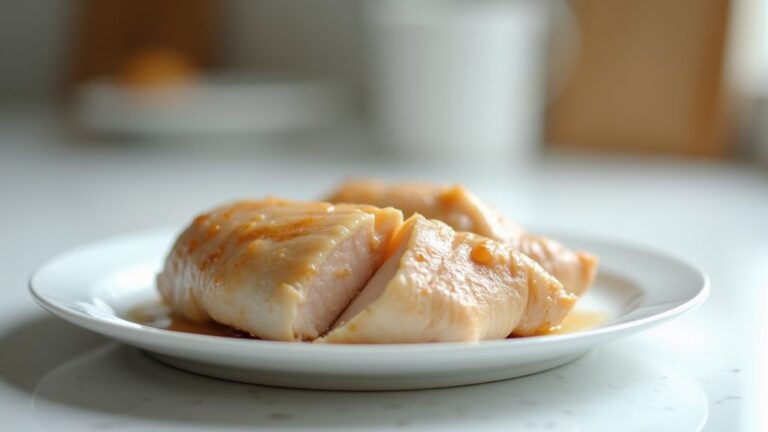
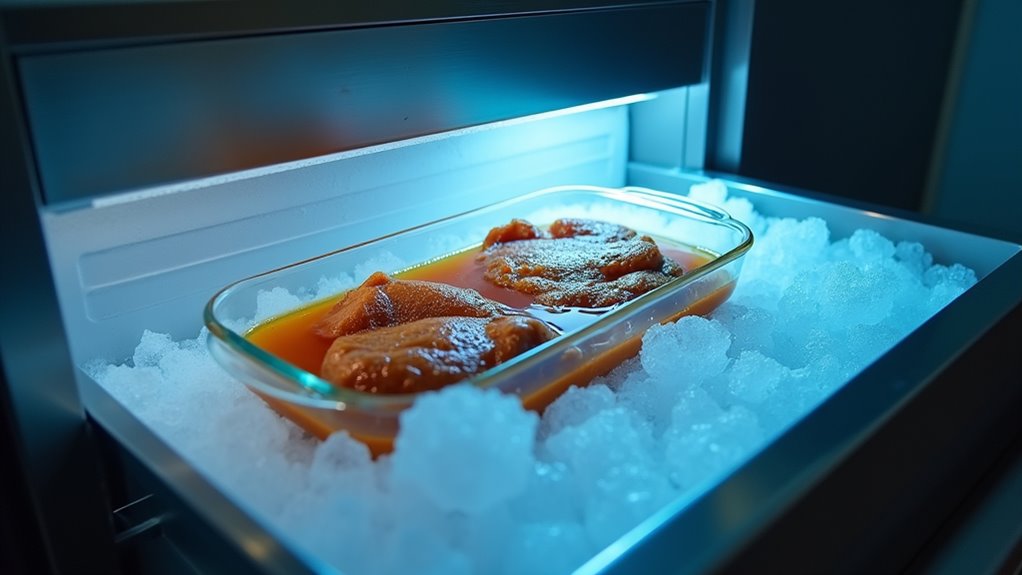
Yes, you can marinate in the freezer, but timing matters more than you may realize. Once the bag freezes, the marinade slows down, so the flavor process starts before the hard freeze and continues as it thaws. If you pack it properly, seal out air, and label the bag, you can save time and still get good results. The key is knowing which meats handle this well and which ones need a gentler approach.
Can You Marinate in the Freezer?
Yes, you can marinate in the freezer, but it works a little differently than most people expect.
While the food is frozen, the marinade doesn’t fully penetrate because the cold slows the process. The flavor develops as the food begins to thaw. If you want a stronger taste, allow time before the outer layer freezes and time during thawing.
For easy meal prep, place the meat and marinade in freezer bags, press out the air, and lay them flat. This helps the food freeze evenly and absorb flavor as it thaws.
If you use soy sauce, reduce the amount slightly so the flavor doesn’t become too salty during long storage.
What Happens to Marinade When It Freezes
Once your marinade freezes, it doesn’t keep working the way it does in the fridge. The flavor moves very little because the liquid becomes still, so your meat gets a pause rather than an enhancement. If you’re working with flank steak or Greek yogurt, you’ll notice the same thing, freezing stops the action. The outer surface might already hold some flavor, but deeper layers stay untouched.
- Diffusion slows sharply
- Tenderizing pauses
- Acidic changes stop
- Salt moves very little
- Thawing restarts the marinade process
As the frozen layer melts on top of the meat, it can baste the surface and add some extra taste. That’s why you still get part of the marinade effect, just in a slower, colder way.
How Long Freezer Marinades Stay Effective
Freezer marinades stay effective only for as long as they can actually move into the meat, so timing matters more than you might think. When you freeze food, the marinade mostly pauses. Once the surface thaws, the flavor starts working again.
In practice, most of the taste develops during fridge thaw time, not during the frozen period itself. If you want predictable results, count those hours together. For a sheet pan of chicken thighs, a flat bag helps the frozen marinade melt over the meat and baste it as it thaws.
If you need longer storage, freeze portions first and reduce salty ingredients so they don’t taste overly cured. That way, you stay in control and cook with confidence.
Best Proteins for Freezer Marinades
Once you choose the right protein, freezer marinades can save you time and still deliver big flavor.
Chicken, beef, and pork hold up well, while fish, shellfish, and tofu need a little more care so they stay tender and tasty.
With the right prep, you can freeze each one in a way that makes dinner feel much less hectic.
Beef And Pork Cuts
For the best freezer marinades, choose cuts that can handle freezing without falling apart. Beef and pork cuts such as flank steak, skirt steak, pork shoulder, and boneless pork chops work well. These cuts stay firm after freezing and thawing. Grass fed varieties also work well, but watch for aging effects on delicate meat.
- Trim portions into meal sizes
- Use labeled flat freezer bags
- Freeze bags flat for even thawing
- Keep marinades balanced and not too sharp
- Reduce cross contamination risks with clean tools
Bone in cuts, such as short ribs or bone in pork chops, also perform well because the bone helps protect texture. Fatty cuts handle long storage best, so oil and a little acid can help. For tender cuts, keep acid contact short, then freeze quickly.
Chicken, Fish, And Tofu
Chicken, fish, and tofu can all work well in freezer marinades, but each one needs a slightly different approach so you get good flavor without hurting the texture.
For poultry, freeze it in single layer bags and thaw it in the fridge. That slow thaw allows steady flavor absorption as the marinade melts over the meat.
For fish, keep the marinade short and mild, because acidity matters and strong salt can toughen delicate flesh. Plan to cook it within 1 to 2 months.
With tofu, press it first, then freeze it with marinade so the pores absorb more flavor as it thaws.
For all three, use portion planning, label the bags, and remove extra air. It makes dinner easier and reduces stress.
How to Freeze Meat in Marinade
To freeze meat in marinade, place the meat and marinade in a sealable freezer bag, press out as much air as possible, and lay it flat so it freezes into a thin slab.
That flat shape helps the meat freeze evenly and keeps marinade from pooling in the corners.
It also supports even thawing, so the meat bastes itself as it softens.
For larger cuts, portion them into 1 lb pieces, add the proper amount of marinade, then stack the bags.
Label each bag with the contents, marinade type, and date so your freezer stays organized.
- Freeze for 2 to 3 months
- Reduce salt or soy sauce for long storage
- Add fresh seasoning after thawing
- Count marinating time before freezing
- Use vacuum marinating if you have it
Best Bags and Containers for Freezing
You’ll get the best results with heavy-duty sealable freezer bags because they block freezer burn, resist punctures, and lay flat for easy stacking.
Silicone Stasher-style bags are a solid reusable option too, as long as you dry them well and seal them carefully so the marinade stays put.
For cleaner freezing and faster thawing, press out extra air and freeze the bag flat, with the contents labeled and dated.
Sealable Freezer Bags
Inside the freezer, the right bag does a lot of quiet work for you. Choose heavy-duty, freezer-grade zip-top bags marked for freezer use, because durable bags help protect flavor and reduce freezer burn. Press out the air, or use a straw, then lay the bags flat so they freeze into tidy slabs that thaw quickly.
- Pick quart or gallon bags rated for -20°F.
- Check the zipper seal before closing each bag.
- Label portions with weight, marinade type, and date.
- Keep portions small, about 1 lb or less.
- Double-bag oily or acidic mixes.
When you plan ahead, mealtime feels more manageable. For longer storage, vacuum-sealed bags can help, and a rigid container adds extra protection against leaks.
Silicone Stasher Bags
Silicone Stasher bags make freezer marinating cleaner and easier, especially if you want a bag you can reuse. They provide airtight protection, strong stain resistance, and no plastic taste on your food.
Their temperature range runs from about -40°F to 400°F, so they work well in the freezer. Because the bag bends easily, you can press out extra air, which helps the marinade cling to the meat.
Choose a size that fits snugly, such as a sandwich bag for one portion or a gallon bag for a roast. For better silicone care, wash it in the dishwasher, but avoid harsh sterilizing heat after acidic marinades.
Then label it, freeze it sealed, and you’re set.
Flat Freeze Storage
For flat freeze storage, the right bag or container can make marinating feel almost effortless. You’ll get better quick thawing when you press meat into a thin slab and keep it organized for stack storage. Use heavy-duty freezer bags, at least 4 mil thick, or reusable silicone bags. You can also use shallow freezer-safe glass or BPA-free plastic containers.
- Remove as much air as you can.
- Lay bags flat on a baking sheet.
- Label each packet with the date and marinade.
- Choose leakproof lids for rigid containers.
- If you vacuum seal, pre-freeze first.
That simple air removal helps block freezer burn and punctures. Flat packs also save room, so your freezer feels less crowded and more organized. Most marinades stay best for about three months, which gives you plenty of time to keep dinner plans easy.
When to Thaw Marinated Meat
As you thaw marinated meat, timing matters because the flavor shift starts the moment the meat warms up again.
In practice, your thawing time should count only the time before freezing plus any thawing time, since active marinating pauses once the outside freezes.
For the safest approach, use refrigerator thawing for 12 to 24 hours for 1 to 3 pounds, and let the marinade work into the surface as it thaws.
If you need speed, cold water thawing works well, provided you keep the bag sealed and change the water every 30 minutes.
If you want more flavor, give the meat 1 to 6 more hours in the fridge before cooking.
Never thaw it on the counter.
Tandoori-Style Freezer Marinade
Assuming you have already figured out the best time to thaw marinated meat, you can make the whole process even easier with a tandoori-style freezer marinade that’s ready whenever you are.
- Stir together 1/2 cup Greek yogurt, lemon juice, olive oil, garlic, ginger, cumin, paprika, coriander, turmeric, cayenne, and salt.
- Coat chicken thighs well, or use your favorite protein.
- Seal the bag with the air removed.
- Lay it flat so it freezes into a neat, stackable slab.
- Label it, then freeze for up to 3 months.
This mix provides strong spice infusion and good yogurt stability in the freezer.
After thawing, you may notice some texture changes, but the flavor stays bold.
Thaw the sealed bag in the fridge overnight, then roast at 425°F for about 35 minutes.
You’ll get tender, fragrant chicken that feels like dinner with your people.
Korean-Style Freezer Marinade
Korean-style freezer marinade makes weeknight cooking feel much less hectic because you can season the meat now and let the freezer do the waiting.
Whisk together gochujang, neutral oil, rice vinegar, soy sauce, dark sesame oil, honey, garlic, and ginger, then tuck pork or beef into a sealable bag.
This mix gives you that cozy Korean pickling vibe, with gochujang fermentation bringing deep heat and sesame pairing adding a nutty finish.
Flatten the bag, press out the air, and freeze it flat so it stacks neatly and thaws evenly.
For best results, portion about 1 pound per bag, label the date and bake time, and freeze for up to 3 months.
Thaw fully in the fridge before cooking, and ease up on salty ingredients so the flavor stays balanced and friendly.
Teriyaki-Style Freezer Marinade
Whenever you want dinner to feel easy instead of rushed, a teriyaki style freezer marinade can save the day. Mix 1/4 cup low sodium soy sauce, 2 tbsp water, 2 tbsp brown sugar, grated garlic and ginger, 1 tbsp sesame oil, and 1 tbsp Worcestershire sauce. Then seal the meat in a Ziploc bag, lay it flat, and freeze it.
- Freeze up to 3 months
- Label the bag clearly
- Thaw in the fridge
- Broil or pan sear later
- Serve with steamed vegetables
Because freezing slows marinade chemistry, don’t count on extra tenderizing. Instead, watch the freezer texture and plan around thaw time. For better aroma preservation and less saltiness, cut soy or salt by about 25%. Whenever you’re ready, thaw fully, then cook flank steak 3 to 4 minutes per side.
Mediterranean-Style Freezer Marinade
Should you like the ease of a freezer-ready teriyaki marinade, a Mediterranean version gives you the same make-ahead comfort with a brighter, fresher flavor.
Mix 1 tbsp lime juice, 1 tbsp lemon juice, 1 tbsp red wine vinegar, a pinch of salt, 2 tbsp olive oil, 2 grated garlic cloves, and 1/4 cup chopped herbs.
For a garlic-free variation, just skip the garlic.
For your herb substitution guide, use dill, parsley, basil, or oregano.
If you need a citrus-free alternative, swap in a little extra vinegar and olive oil.
Portion 1 to 1.5 cups per pound of salmon, squeeze out the air, seal it flat, and label it.
It freezes for 3 months, and the marinade melts as the fish thaws, keeping dinner easy for your kitchen crew.
Freezer Marinade Tips and Mistakes to Avoid
Once you freeze marinated meat, pack it flat in a labeled zip-top bag and press out the air so it stacks well and thaws evenly.
Flavor stops building after it freezes, so the marinade needs to do most of its work before the bag turns solid.
Be careful with salt and acid, because too much can leave you with an overly salty bite or a mushy texture later.
Best Freezer Marinade Methods
Freezer marinades can reduce dinner stress while still delivering strong flavor. You can batch meals with quick brining, cryovac sealing, and marinade layering for easy thaw and cook nights. Use labeled, flat zip-top bags, press out the air, and freeze them into stackable slabs. This shape saves space and helps the marinade thaw quickly while it coats the meat.
For balance, keep fat, acid, salt, and flavorings in harmony, but reduce salt or soy by about 25% if you’ll freeze the mix.
- Portion meat into single-meal packs.
- Marinate first, then freeze.
- Or freeze the meat first, then add a frozen marinade slab.
- Thaw in the fridge only.
- Keep strong acids brief and mild.
Freezer Marinade Mistakes
A few small missteps can turn a smart freezer marinade into a frustrating dinner, but the good news is that most of them are easy to fix.
You can protect flavor by trimming salt and soy sauce before freezing, because over-salting risks get stronger as liquid concentrates.
If your mix has citrus, vinegar, yogurt, or tomato, keep the soak short so acid-induced texture doesn’t start breaking down the meat too soon.
Next, pack each portion into a single meal bag, press out air, and lay it flat to reduce air exposure and help it thaw evenly.
Label the bag with the date, then use it within 2 to 3 months.
Keep in mind that freezing pauses the marinade, so real flavor time starts again once the meat thaws.
Frequently Asked Questions
How Long Can You Freeze a Marinade?
You can freeze marinade for about 3 months, such as a lemon garlic batch in a labeled bag. To preserve flavor, seal it well to limit ice crystal damage, and check the marinade’s acidity after thawing.
Can a Diabetic Eat Marinated Chicken?
Yes, you can enjoy marinated chicken, provided you watch diabetic considerations like sugar and sodium. Its carbohydrate impact is usually low, but you will need to count sugary marinades and adjust insulin timing with your meals.
Should I Marinate a Porterhouse?
Yes, you should marinate a porterhouse, but keep it subtle. Its thickness limits how much flavor it absorbs, so use a balanced mix of acid and salt. If needed, you can freeze it for later.
Can I Freeze a Steak That Has Been Marinated?
Yes, you can freeze a marinated steak. It will retain good flavor, although the marinade penetrates more slowly once it freezes. As it thaws in the refrigerator, the marinade continues to work and helps keep the steak juicy.