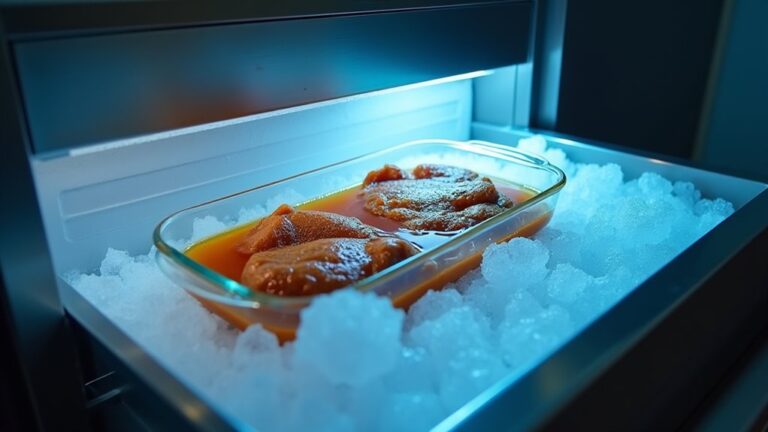
Yes, you can freeze cubed pancetta, and if you do it the right way, you can preserve its rich flavor and texture for later meals. To begin, chill it thoroughly, then portion it for one recipe and freeze it in a single layer so the pieces do not clump together. After that, pack it tightly, remove as much air as possible, and store it for up to three months. The important part is knowing how to thaw it safely, since that is where the real difference shows up.
Can You Freeze Cubed Pancetta?
Yes, you can freeze cubed pancetta, and it keeps well for about three months if it’s wrapped and sealed properly.
Cool it to refrigerator temperature first, then portion it into meal sized packs so you only thaw what you need.
Remove as much air as possible, and seal the bags tightly. If you lay them flat, the cubes freeze in a thin layer, which helps them store neatly and thaw faster later.
Once frozen, use the pancetta in cooked dishes such as pasta, soups, or sautés. This helps preserve flavor and reduce waste.
How to Freeze Cubed Pancetta
To freeze cubed pancetta the right way, start by dividing it into single-use portions so you only thaw what you need later.
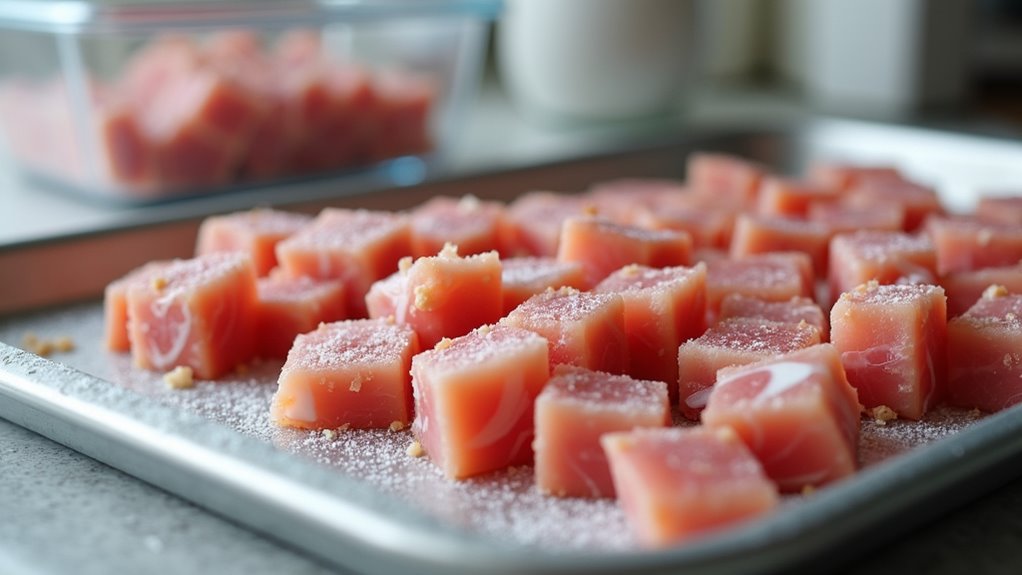
Lay the pancetta cubes on a baking sheet in a single layer, then freeze them until firm, about 1 to 2 hours. This quick step keeps the pieces from clumping, so you can grab what fits your meal.
After that, move the frozen cubes into airtight freezer bags or seal them tightly, pressing out as much air as you can. Add the date so you know when to use them for best flavor.
Stored this way, pancetta stays tasty for about three months.
When you’re ready, thaw it overnight in the fridge or cook it straight from frozen.
Best Way to Package It
Package your pancetta in airtight containers so air can’t sneak in and dull the flavor.
If you use freezer bags, press out as much air as possible and keep the cubes in single use portions so you only thaw what you need.
For extra protection, wrap the portions well before bagging them, and label each pack with the date so nothing gets lost in the freezer shuffle.
Airtight Packaging
Lock in your cubed pancetta with tight, air free packaging so it stays tasty instead of turning dry or chewy in the freezer. When you pack it well, you protect the flavor and make later meals easier. Use a heavy duty freezer bag or an airtight container, and press out every bit of air.
| Step | What you do |
|---|---|
| 1 | Portion cubes into single use amounts |
| 2 | Wrap them initially in parchment or plastic |
| 3 | Slide them into a freezer bag or pouch |
| 4 | Flatten the bag for quick freezing |
| 5 | Label the date and portion size |
If you use a non vacuum bag, lay it flat and keep it in a rigid container if punctures are a concern. Properly sealed pancetta keeps for about 3 months, so you can thaw only what you need and keep the rest ready.
Freezer Wrapping Tips
In the freezer, cubed pancetta needs a little extra care, and a smart wrap makes all the difference.
After you flash-freeze the cubes, pack them in heavy-duty freezer bags or vacuum pouches and press out every bit of air. Then add a layer of plastic wrap around the bag or place it in a rigid container so it won’t get crushed by pancetta slices or other foods. This extra shield helps block freezer burn and keeps the flavor steady.
Label each package with the date so you know which batch to use first.
For the best texture, use it within three months.
When you’re ready, thaw a portion in the fridge overnight, or use the microwave defrost setting and cook it right away.
How Long Frozen Pancetta Lasts
Frozen cubed pancetta keeps its best quality for about three months in a well sealed freezer, so you have a good window to use it.
If you wrap it tightly and keep air out, you’ll help protect the flavor and reduce freezer burn. That extra time can be useful when you have leftovers that won’t be used in the next week or two.
Frozen Shelf Life
Upon freezing cubed pancetta the right way, you can usually keep it at good cooking quality for about three months. That gives you a handy window when you want to save extra pancetta without waste.
If you seal it well, you’ll help it stay tasty and usable for longer. Vacuum sealing works best, but double wrapping in plastic wrap and placing it in a freezer grade zip top bag also does the job.
Freezing can more than triple the life of opened pancetta compared with the fridge, so your leftovers stay usable. Before you freeze it, label the package with the date. Then you can reach for the oldest pack first and keep your meals on track.
After thawing, use it in cooked dishes for the best results.
Storage And Quality
Most often, cubed pancetta keeps its best quality for about three months in the freezer, provided you seal it well.
You can protect your pancetta by wrapping the cubes tightly in plastic wrap or foil, then placing them in an airtight container or heavy-duty freezer bag.
Press out as much air as you can because less air means less freezer burn and fewer off-flavors.
Also, write the freezing date on the package so you know when to use it. For the best taste, plan to cook it within two to three months.
After about six months, quality drops enough that you may want to toss it.
Frozen pancetta works best in hot dishes, since thawed cubes can soften a bit and feel less suited to antipasto.
How to Thaw It Safely
To keep cubed pancetta safe and tasty, thaw it in the refrigerator whenever you can because this slow method protects the meat and gives you the best texture.
You should thaw cubed pancetta below 40°F for 12 to 24 hours per pound so it stays even and safe.
If you need it sooner, seal it well and place it in cold water, then change the water every 30 minutes.
Small portions often thaw in 1 to 2 hours.
Never leave it on the counter since the surface warms too fast.
If you use the microwave, select the defrost setting and cook it right away.
After refrigerator thawing, use it within 3 to 5 days, and you’ll keep your kitchen crew covered.
Can You Cook It From Frozen?
Yes, you can cook cubed pancetta straight from frozen, so you don’t need to wait for it to thaw first.
You can cook pancetta in a hot skillet and still get good results because the small cubes thaw quickly and start rendering right away.
For the best texture, spread them out on a preheated pan over medium-high heat and let each piece meet the heat. If you crowd the pan, the cubes will steam instead of crisp, so cook them in batches whenever possible.
Expect a little extra splatter as the ice melts, so use a splatter screen if that helps you feel more comfortable.
Frozen pancetta also works well in pasta, soups, and stews, where it adds flavor to the dish.
How to Tell Frozen Pancetta Has Gone Bad
You can spot freezer burn on pancetta by looking for large, dry, grayish patches, which usually mean the meat will no longer taste good.
After thawing, check for a slimy texture, sticky residue, or gray, dark, or moldy spots, since these changes mean it has gone bad.
If you open the package and notice a sour or rancid smell, trust your nose and throw it out.
Freezer Burn Signs
Freezer burn often appears first as dry, whitish-gray, or leathery patches on cubed pancetta, especially along the edges and fat where air can get in. If you spot freezer burn, the pancetta isn’t necessarily unsafe, but you should examine the cubes closely. Look for a tough, crumbly texture that flakes apart when handled.
After thawing, trust your nose as well. Stale, cardboard-like, or rancid odors can mean the fat has begun to break down and the quality has declined. The pancetta may still be safe, but the flavor will be dull and less savory.
If it was stored loosely wrapped or kept for more than three months, inspect it carefully. A tight seal helps keep it in better condition and preserves its flavor.
Texture And Color Changes
Once thawed pancetta begins looking dull, grayish, or patchy, that’s your cue to slow down and inspect it closely.
Fresh cubes should still show a bright pink and white contrast, so any washed-out look can tell you the frozen pancetta lost quality.
If the surface feels slimy or tacky, don’t brush it off as normal thawing. That sticky film often indicates the meat has changed in a way you shouldn’t trust.
You might also spot small dark areas or fuzzy growth, and that means the pancetta isn’t safe.
Good airtight packing helps frozen pancetta remain in better shape for about three months, but texture and color still matter when you check it.
If in doubt, choose the safer path and let it go.
Off Odor And Taste
Trust your nose first when thawing pancetta, because spoiled meat often gives itself away quickly. If the pancetta smells sour, putrid, or sharply rancid after thawing, discard it immediately. That odor usually signals rancidity or spoilage, and it isn’t worth the risk.
Next, cook a small piece only after refrigerating the thawed cubes, then taste it carefully. If the flavor is bland, cardboard-like, or oddly metallic, the fat may have broken down from freezer burn or long storage. A slimy texture or sticky surface can also signal bacterial growth, even when the smell seems mild. Gray-brown patches or dark spots with any off odor make the decision clear. Trust your senses and protect your kitchen crew.
How Long Opened Pancetta Lasts
After you open pancetta, refrigerate it right away and seal it well so it stays at its best.
You can usually expect peak flavor for about 10 days. After that, it may still be safe for up to two or three weeks if you have kept it cold and tightly wrapped, but the taste can fade.
To help it last, move it into an airtight container or wrap it snugly in wax paper, parchment, and plastic.
If you notice dark patches, slime, a rancid smell, or mold, discard it immediately.
For a longer storage period, freeze it in small portions or vacuum seal it.
How to Store Pancetta in the Fridge
In your fridge, pancetta lasts best when you keep it cold, covered, and away from temperature swings. Store it at 40°F or below, on the coldest shelf in the back, not in the door. Keep unopened pancetta in its original package and follow the use by date. Once opened, wrap slices tightly or place cubed pancetta in an airtight container. This helps it stay fresh and keeps your fridge from smelling like a deli.
| State | Best container | Fridge time |
|---|---|---|
| Unopened | Sealed package | Several weeks to a year |
| Opened | Airtight wrap or bag | 7 to 14 days |
| Stored | Coldest shelf | Check often |
Look for slime, odd odors, discoloration, or mold, and trust your instincts.
Why Freezing Works for Pancetta
Freezing works well for cubed pancetta because the small pieces contain a lot of fat, and fat holds up better in the freezer than many lean meats do. When you package frozen pancetta properly, you preserve its rich flavor close to its original state, so you can stock your kitchen with confidence.
- Picture tiny golden cubes packed tightly in a bag, ready for pasta night.
- Picture a frosty block wrapped securely, protected from dry air.
- Picture a clean label with the date, a simple reminder for later.
You can freeze it in recipe sized portions, then thaw only what you need. That simple step makes cooking easier and helps keep dinner warm, familiar, and simple. Frozen pancetta also works well in soups and sautés.
Can You Refreeze Thawed Pancetta?
Yes, you can refreeze thawed pancetta, but only if you handled it safely the first time. If you thawed it in the refrigerator and it stayed below 40°F, you are in good shape. Refreezing previously thawed pancetta can work, although each cycle softens the texture and dulls the flavor a bit. So keep it to one extra freeze when possible.
| Check | What you want |
|---|---|
| Thawing method | Refrigerator |
| Temperature | Below 40°F |
| Best wrapping | Vacuum-sealed or double-wrapped |
| Quality window | About 3 months |
| Bad signs | Off-odors, discoloration, sliminess |
If you thawed it in the microwave, cold water, or on the counter, do not refreeze it raw. Cook it first, then freeze the dish. Tight wrapping helps your pancetta stay in good condition in the freezer.
Pancetta vs Bacon and Prosciutto
Pancetta can resemble bacon or prosciutto, but the way it’s made gives each one a different role in the kitchen. When you choose pancetta, you get cured pork belly that’s rich, fatty, and usually unsmoked. Bacon has a smokier, firmer bite because it’s cured briefly and smoked. Prosciutto comes from the hind leg, so it stays lean, silky, and delicately sweet-salty.
- Picture pancetta in a warm pan, with the fat turning glossy.
- Picture bacon on a skillet, crackling with smoke.
- Picture prosciutto on a plate, thin as a whisper.
If you want a cozy, savory flavor that feels like home, pancetta fits that role well. Its texture and taste can sometimes be used in place of other cured meats, but each cut still brings its own character to the table.
Best Recipes for Frozen Cubed Pancetta
Once you’re ready to cook with frozen cubed pancetta, the best recipes are the ones that give the fat time to melt and the flavor room to shine.
You’ll feel right at home in pasta carbonara, where the pancetta turns silky and seasons the sauce. It also works well in ragù, soups, and stews because gentle heat softens any texture change.
Keep your pancetta in single use portions so you can thaw only what you need overnight in the fridge. Then cook it promptly and enjoy that cozy, savory lift without any fuss.
If you’re planning ahead, label the bag with the date and use it within two to three months for the best taste. That way, your kitchen stays stocked and your next meal feels easy, warm, and shared.
Frequently Asked Questions
Does Diced Pancetta Freeze Well?
Yes, diced pancetta freezes well for about three months if you wrap it tightly. The texture changes a bit, so it is best used later in pasta, soups, or sautés.
How Long Does Cubed Pancetta Last?
Cubed pancetta lasts about three months frozen and only a few days refrigerated once opened. For better storage, wrap it tightly, seal out air, and label the date so you can enjoy it later.
What Do You Do With Cubed Pancetta?
You’ll render cubed pancetta, then use it as a pasta topping, in sauces, soups, salads, or with roasted vegetables. Let those crispy bites bring rich flavor to your dinner table.
Can You Cook Cubed Pancetta From Frozen?
Yes, you can cook cubed pancetta from frozen. To avoid uneven searing, add it to a cold skillet and heat it slowly. This will render the fat evenly, though it may take a little extra time and cause more splatter.