
Commercial chamber vacuum sealers make sense when you package liquids, portions, marinades, or bulk ingredients and need a seal that stays consistent. You’ll also notice the difference fast in a kitchen that runs every day, because chamber machines handle messy fills better than basic suction units. This shortlist focuses on size, sealing length, pump style, and the kind of workload each machine suits best.
The Shortlist At A Glance

VacMaster VP215 Chamber Vacuum Sealer

VacMaster VP230 Chamber Vacuum Sealer

VacMaster VP540 Chamber Vacuum Sealer
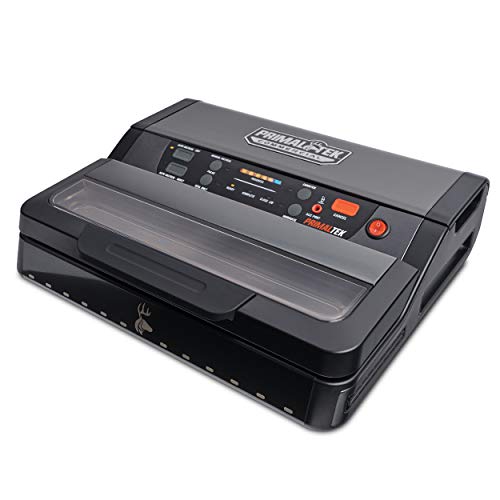
15” Commercial Grade Vacuum Sealer
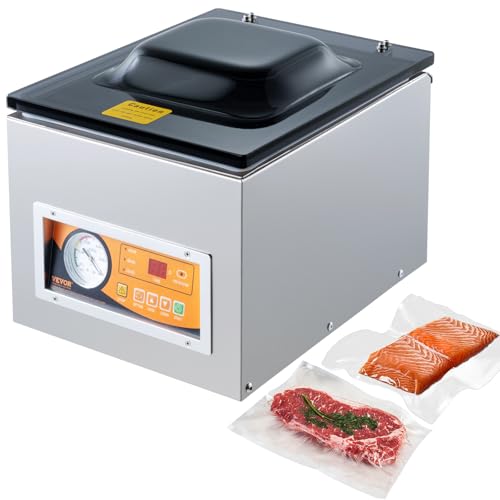
VEVOR Chamber Vacuum Sealer

Chamber Vacuum Sealer CM255

VacMaster VP220 Chamber Vacuum Sealer

VacMaster VP210 Chamber Vacuum Sealer
More Details On Our Top Picks
VacMaster’s VP215 sits in the sweet spot for kitchens that want chamber sealing without jumping to a much larger footprint. The 10.25-inch seal bar and compatibility with 10 x 13 bags make it practical for batch prep, freezer portions, and liquids that would frustrate a basic suction sealer.
You’ll appreciate the oil-pump design most in a setting that runs often, because that style is commonly chosen for steadier commercial use. The trade-off is simple, though: oil pumps usually ask for more attention than dry-pump designs, so this feels better suited to committed use than occasional weekend sealing.
What Helps Most
- Chamber design handles wet foods and marinades more cleanly than external suction units.
- 10.25-inch sealing width suits smaller batch packing and routine kitchen prep.
- The oil pump points to dependable day-to-day use in a busier environment.
- Works well for sous vide prep, portioned leftovers, and freezer storage.
Points To Note
- The pump style asks for more upkeep than a maintenance-free dry setup.
- The bag length fit is more modest than the larger VP230 and VP540 choices.
Feature Snapshot
Who It Suits Best
Home cooks, meal preppers, and small kitchens that need chamber sealing for liquids and portion control will get the most from it.
A Better Fit Elsewhere
VacMaster VP230 Chamber Vacuum Sealer suits you better when larger bags and a wider seal bar matter more than compact sizing.
The VP230 steps up in the places that matter most for heavier sealing routines, especially with its 1/2 HP oil pump and 12.25-inch seal bar. Compared with the VP215, you get more room to work, which helps when your bags run larger or your prep volume keeps climbing.
That wider sealing area makes it a strong fit for kitchens packing bigger cuts, bulk portions, or frequent liquid-heavy bags. The honest trade-off is size and maintenance expectations, since a more capable oil-pump chamber usually asks for a bit more commitment from you.
Useful Touches
- 1/2 HP oil pump suggests stronger support for repeated sealing sessions.
- 12.25-inch seal bar gives you more room than the VP215.
- Well suited to larger bags, which matters for bulk food storage.
- Good match for cooks who want one machine to handle more demanding prep.
Worth Bearing In Mind
- The larger format takes up more room than the smaller VP215.
- Oil-pump upkeep is part of the ownership picture.
- Overkill for light, occasional sealing.
Made For
You’ll get the most from this model in a serious home kitchen, a small food shop, or a prep space that seals often.
Reach For A Different Pick When
VacMaster VP215 Chamber Vacuum Sealer makes more sense when you want a tighter footprint and a simpler daily fit.
VP540 is the clear heavyweight in this group, built for kitchens where packaging volume is part of the daily rhythm. Compared with the VP230 and VP215, it moves further into commercial territory, so it suits you better when the goal is not compact convenience but sustained throughput.
The appeal is straightforward: more machine than a typical home setup, less compromise for bulk prep, portion control, or production-style packaging. The catch is equally straightforward, because larger chamber gear usually asks for more space, more planning, and a budget that makes sense only when you truly use it.
Well-Handled Touches
- Built for medium to large processors, restaurants, supermarkets, and lab-style workflows.
- 1.5 HP rotary oil pump points to serious packaging capacity.
- Two 20-inch seal bars support larger-format sealing tasks.
- Double seal wire adds a practical layer for repeated packaging work.
Details To Watch
- The scale makes it a poor fit for cramped counters.
- The machine is more than many home kitchens need.
- Two seal bars mean more machine to manage and clean around.
Whose Shelf It Belongs On
You should look here when packaging volume is part of your business or your meal-prep routine has outgrown smaller chamber units.
Swap It Out When
VacMaster VP230 Chamber Vacuum Sealer works better for you when you want a smaller commercial step-up with less footprint.
This PrimalTek model leans into control and convenience rather than sheer size, and that makes sense in a busy prep station. The 28inHg vacuum pressure, double seal bar, and built-in bag storage give it a practical edge when you’re sealing many bags across the day.
Auto cooling and smart heat management matter more than they sound, because they help the machine stay composed during repeated runs. Compared with the VacMaster units above, this one reads as more feature-driven, though you’ll want to pay attention to the listed bag and workflow fit before you commit.
Good Reasons To Consider
- 28inHg pressure is a strong fit for dense, air-tight chamber work.
- Double seal bar adds confidence for repeated storage cycles.
- Built-in bag storage keeps supplies close during fast prep sessions.
- Auto cooling helps during back-to-back sealing jobs.
- Smart heat handling suits busy kitchens that run the machine often.
Small Caveats
- The larger feature set can mean more moving parts to keep track of.
- Bag storage helps workflow, but it also asks for a little organization.
Core Details
The Right Fit
You’ll like this most in a kitchen that seals often and values built-in workflow helpers.
Where A Sibling Pick Shines
VacMaster VP215 Chamber Vacuum Sealer is the cleaner fit when you want a smaller footprint and a simpler chamber setup.
VEVOR keeps the footprint tight while still aiming at wet foods, meats, and marinades, which is useful in a kitchen where counter space matters. Compared with the larger VacMaster models, it feels more approachable for home use, especially when your sealing jobs are steady but not industrial.
The 260W sealing power and 10.2-inch sealing length give you a clear sense of its lane. That combination works well for small-batch prep, though you may find the compact size less forgiving for bigger pouches or heavier production runs.
Why It Works Well
- Compact size fits tighter counters more easily than bulkier chamber units.
- 260W sealing power suits everyday home-kitchen sealing needs.
- Handles wet foods and marinades, which broadens its use case.
- 10.2-inch sealing length is practical for modest portions.
Points To Weigh Up
- Smaller sealing length limits larger bag work.
- Compact format is less suited to high-volume packaging.
Built With In Mind
Home cooks with limited counter space and a regular need for liquid-rich bags will get the most from this one.
A Better Fit Elsewhere
VacMaster VP230 Chamber Vacuum Sealer suits you better when bigger bags and stronger commercial leanings matter more.
The CM255 aims squarely at serious packaging work, and the industrial-grade framing makes that clear. In a home kitchen that leans heavy on bulk prep, or in a commercial space that wants a more solid packaging station, it feels like a capable middle ground between compact home models and the larger VacMaster units.
Because the source highlights a high-powered pump, you can read this as a machine built for steadier output rather than casual use. The upside is stronger day-to-day confidence; the trade-off is that a more industrial setup usually asks for more space and a little more familiarity with chamber equipment.
Bright Spots
- High-powered pump supports a more serious sealing pace.
- Fits both home and commercial kitchens, so the use case is broad.
- Industrial-grade packaging framing points to sturdier daily expectations.
- Good fit for bulk food portions and regular sealing routines.
Things To Weigh
- The industrial positioning may be more machine than casual users need.
- Likely more at home in a dedicated prep area than a tight countertop.
Perfect Match For
You’ll get the most from it in a home business, prep kitchen, or shop that needs consistent chamber sealing.
Another Choice May Suit
VEVOR Chamber Vacuum Sealer fits better when you want a smaller unit for lighter counter duty.
The VP220 lands close to the VP230 in use case, but its maintenance-free dry pump changes the ownership feel quite a bit. That matters in a kitchen where you want steady commercial sealing without adding oil-pump upkeep to the routine.
The 12.25-inch seal bar and fit for 12 x 15 bags keep it in serious territory, yet the dry-pump design makes it easier to live with over time. For many prep spaces, that balance is the real appeal, even though it still takes up more room than the smaller VP215.
Real Benefits
- Dry-pump design avoids oil maintenance, which simplifies ownership.
- 12.25-inch seal bar supports larger bags and bigger portions.
- Good fit for sous vide, liquids, and storage-heavy kitchens.
- Looks like a practical step-up for frequent sealing.
Less-Strong Areas
- The wider footprint is less friendly to tight counters.
- Less compact than the VP215 for smaller kitchens.
Who Should Grab It
You’ll appreciate this most in a busy kitchen where you want commercial sealing with less upkeep.
Look Elsewhere When
VacMaster VP230 Chamber Vacuum Sealer makes more sense if you prefer the oil-pump route for heavier-duty commercial use.
VP210 is the cleaner, simpler entry point in this VacMaster group, and the maintenance-free dry pump is the main reason it stands out. Compared with the VP215, you’re getting a similarly compact chamber profile with a more hands-off ownership feel, which helps in smaller kitchens and routine food prep.
The 10.25-inch seal bar keeps it useful for common bag sizes, and the chamber format still gives you the wet-food advantage that external sealers struggle to match. It’s not the flashiest machine here, but that’s part of the appeal, because straightforward gear often suits real kitchens better than overbuilt machinery.
Positive Takeaways
- Maintenance-free pump design reduces routine upkeep.
- Compact chamber size suits smaller setups.
- 10.25-inch seal bar works well for everyday portions.
- Strong fit for liquids and sous vide prep.
Worth Noting
- Smaller seal capacity than the VP230 and VP540.
- Less room to grow for bigger-batch packaging.
Right Fit For
You’ll like this most as a practical chamber sealer for a home kitchen, small prep area, or lighter commercial duty.
Skip It When
VacMaster VP220 Chamber Vacuum Sealer is the better call when you want the same general size class with a larger bag fit.
What Matters Most Before Choosing Commercial Chamber Vacuum Sealers
Chamber Size And Seal Length
Your first check should be bag size, seal-bar length, and counter space, because those three factors decide how much you can pack without fighting the machine. A 10.25-inch bar suits smaller routines, while 12.25 inches or more starts making sense for bulk portions and larger kitchen batches.
Pump Style And Upkeep
Oil-pump machines usually suit heavy use, but they ask for more care over time. Dry-pump designs simplify ownership, which is handy in a home kitchen or a prep room that wants less maintenance between runs.
Workflow Fit
Built-in cooling, bag storage, or a wider chamber only matter when they match how you actually work. Busy kitchens benefit from features that reduce pauses and reloading, while occasional users usually do better with a simpler setup.
A Few Things Worth Keeping In View
Common Shopping Slip Ups
People often focus on power first and forget bag fit, footprint, and maintenance. A machine can look capable on paper, then feel awkward in a tight prep area or overkill for smaller portions.
Where The Extra Money Goes
Higher-tier chamber sealers tend to cost more because of stronger pumps, larger seal bars, and steadier workflow parts. That upgrade makes sense when you package often, handle liquids regularly, or need more room for larger bags.
Frequently Asked Questions
What makes a chamber vacuum sealer different from a regular vacuum sealer?
A chamber model seals the entire bag inside a sealed compartment, which helps with liquids and marinades. That design also tends to give you a cleaner result on moist foods.
Are chamber sealers better for soups and sauces?
Yes, chamber sealers are the more practical style for liquid-rich foods. The product stays inside the chamber during the cycle, so the fill is less likely to get pulled out of the bag.
Which size works best for a home kitchen?
A compact chamber with a 10.25-inch seal bar usually fits a home setup better. It gives you the chamber advantage without demanding the space of a larger commercial machine.
Do maintenance-free models really matter?
They matter most when you seal often and want fewer upkeep steps. A dry pump can be easier to live with than an oil pump, especially in smaller kitchens.
What should you check before choosing one?
Check seal-bar length, chamber size, and the pump style first. Those three details shape how the machine fits your food, your counter, and your routine.
Closing Thoughts
You’ll get the best results from a chamber vacuum sealer that fits your bag size, workload, and counter space instead of just the biggest model on the list. The VacMaster VP210 and VP220 suit smaller, steadier routines, while the VP230, VP540, and PrimalTek models make more sense as sealing volume rises. Pick the machine that matches how you actually cook, package, and store food, and the choice gets much easier.