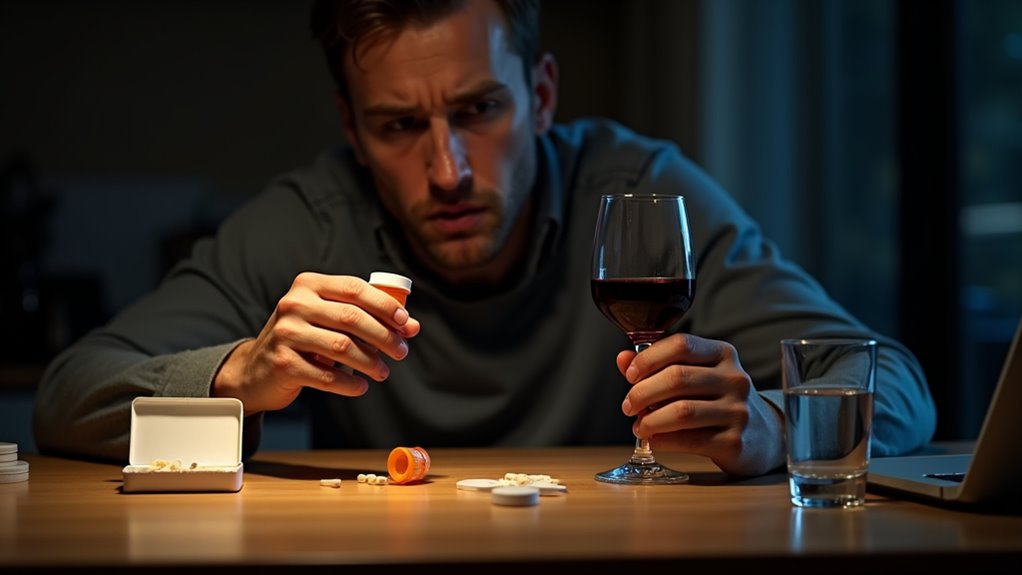
A glass of wine can feel tempting, especially when you are trying to unwind while a UTI is bothering you. But if you are taking nitrofurantoin, alcohol can make nausea, dizziness, and headache worse. It may also slow your recovery by drying you out and irritating your bladder. You will want to know how long to wait, what happens if you have already drank, and when a simple sip becomes a problem.
Can You Drink Wine With Nitrofurantoin?
If you’re taking nitrofurantoin, you can have wine in some cases, but it’s usually not the best choice. There’s no known direct chemical reaction, but alcohol can make side effects such as nausea, dizziness, headache, and stomach upset feel worse.
Wine may also irritate the bladder, which can make UTI symptoms feel more noticeable and recovery feel slower. Because wine can act as a diuretic, it may increase dehydration, and that isn’t helpful when your body needs rest.
Most clinicians suggest avoiding alcohol during treatment and for 48 to 72 hours after your last dose. If you have liver or kidney risk, are older, or drink heavily, speak with your prescriber first.
What Nitrofurantoin Does for Utis
Nitrofurantoin works by targeting the site where a simple bladder infection occurs, which is one reason it’s a common choice for UTIs. You take this antibiotic by mouth, and it reaches a high concentration in the urine that helps fight bacteria in the bladder.
For many urinary tract infections, especially uncomplicated lower ones, nitrofurantoin damages bacterial genetic material and helps your body clear the infection. You may feel better in a few days, but you still need to finish the full course so the infection doesn’t return.
If you have had repeated UTIs, your clinician may use nitrofurantoin at low doses for prevention. Like any medicine, it can cause side effects such as nausea, headache, dizziness, or darker urine.
Why Alcohol Can Slow Uti Recovery
Alcohol can slow UTI recovery in a few real ways, and it isn’t just about feeling a little off the next day.
When you’re taking nitrofurantoin for a urinary tract infection, alcohol can contribute to dehydration, which makes urine more concentrated and can increase bladder irritation. That can keep burning, urgency, and frequency going on longer.
Alcohol may also cause short-term immune suppression, so your body might fight the infection less effectively.
In addition, alcohol can make antibiotic side effects such as nausea, vomiting, and dizziness feel stronger, which could make it harder to finish nitrofurantoin exactly as prescribed. If you’re already having symptoms, skipping alcohol helps your body focus on healing and supports a steadier, more comfortable recovery.
How Wine Worsens Side Effects
Wine can make nitrofurantoin side effects feel more intense, so you may experience more nausea, dizziness, headache, or vomiting than you’d with the medicine alone.
It can also irritate the bladder and urinary tract, which may make burning, urgency, and discomfort feel worse while you’re healing.
In addition, wine can contribute to dehydration and add strain to the liver and kidneys, which may make recovery feel slower and less comfortable.
Wine’s Side Effect Boost
Even if there’s no proven direct chemical conflict, wine can still make nitrofurantoin side effects feel stronger and harder to manage. When you mix nitrofurantoin with alcohol, you may experience more nausea, dizziness, headache, or stomach upset than you’d on its own.
Wine can also increase urinary irritation because it acts as a diuretic, so you may notice more burning, urgency, or discomfort while your body is already fighting a UTI. Its acidity and tannins can add to stomach strain, which may lead to vomiting or loose stools.
In addition, wine can contribute to dehydration, leaving your urine more concentrated and your body less comfortable. If you already feel weak, are older, or have liver or kidney disease, the added strain can be worse.
Recovery Delay And Irritation
When you are trying to recover from a UTI, a glass of wine can slow things down by making your symptoms more irritating.
You are already helping nitrofurantoin fight the urinary tract infection, but wine can add stomach irritation, bladder irritation, and dehydration. That combination may leave you feeling nauseated, shaky, or more thirsty. It can also make your urine more concentrated and increase the burning sensation.
| What you feel | What wine does | Why it matters |
|---|---|---|
| Burning | Increases bladder irritation | Urgency can worsen |
| Nausea | Adds stomach irritation | You could vomit |
| Fatigue | Can worsen overall recovery | Healing may take longer |
Even a small amount can make dizziness and drowsiness worse, so you may feel less steady and less able to rest well.
How Long to Avoid Alcohol After Nitrofurantoin
You should avoid alcohol for the full time you’re taking nitrofurantoin, then wait at least 48 to 72 hours after your last dose before drinking again.
This 2 to 3 day window gives your body time to clear the medicine and lowers the chance of extra nausea, dizziness, or vomiting.
If you have liver or kidney problems, or you still feel sick, check with your prescriber before drinking.
Alcohol-Free Window
After your last nitrofurantoin dose, it’s wise to give your body a short alcohol-free break before drinking wine again. With nitrofurantoin, a clear alcohol-free window can help you feel steadier and reduce the chance of side effects building up.
Most people wait 48 hours, and some choose 72 hours for extra caution. That pause gives your body time to clear the medicine and lowers the chance of nausea, dizziness, vomiting, and dehydration.
It may also reduce strain on your liver and kidneys while you recover from the infection. If you have liver or kidney disease, or if you drink heavily, ask your prescriber what’s best for you.
Why 48 Hours Matters
Forty-eight hours matters because it gives your body time to clear most of the nitrofurantoin before you pour that initial glass of wine.
During that window, urinary excretion keeps lowering drug levels, so alcohol is less likely to add extra side effects on top of healing.
If you drink too soon, you could feel more nausea, dizziness, headache, or stomach upset, and that can make an already rough day feel worse.
This pause is a simple, conservative safety step that helps you protect yourself.
It matters even more if you have kidney impairment, because your body may clear nitrofurantoin more slowly.
If you’re on long-term use or are unsure, ask your clinician about a longer alcohol-free stretch that fits your situation.
What Happens If You Drink Wine Anyway?
Should you drink wine while taking nitrofurantoin, it usually won’t trigger a disulfiram-like reaction because no direct interaction has been documented.
Still, alcohol can make nitrofurantoin feel rougher. You might notice more nausea, dizziness, headache, or vomiting, and that can leave you feeling wiped out.
Wine can also act as a bladder irritant and a mild diuretic, so your UTI symptoms could sting more and your hydration might drop. That matters because nitrofurantoin already places stress on your liver and kidneys.
If you have already had wine, don’t panic. Sip water, rest, and pay attention to how you feel.
If you develop severe vomiting, breathing trouble, jaundice, or chest pain, contact a clinician or pharmacist right away.
Nitrofurantoin Side Effects to Watch For
While you take nitrofurantoin, you may notice common side effects such as nausea, vomiting, headache, dizziness, loss of appetite, or darker urine.
These can be bothersome, but they’re often mild and fade as your body adjusts.
Still, watch for warning signs such as yellow skin, severe stomach pain, trouble breathing, a severe rash, or bloody diarrhea, because these need prompt medical care.
Common Side Effects
Nitrofurantoin can make you feel a little off soon after you start taking it, and that’s often the first sign that your body is adjusting to the medicine. Common side effects include nausea, vomiting, headache, and loss of appetite.
You may also notice gastrointestinal upset, such as stomach pain or diarrhoea. Taking it with food can help ease that discomfort and may help you stay on track.
Some people feel dizzy or drowsy, so it’s wise to avoid driving or doing heavy tasks if you feel unsteady. Alcohol can worsen these side effects and make you feel worse.
If you experience these symptoms, pace yourself, rest, and drink water. Most symptoms are mild, but your comfort matters.
Serious Warning Signs
Although most nitrofurantoin side effects stay mild, you should treat a few warning signs as urgent and not wait them out. If you get shortness of breath, wheezing, facial swelling, or throat swelling, get help right away because an allergic reaction can become serious quickly.
If you notice yellow skin or eyes, dark urine, persistent belly pain, or unusual fatigue, stop the medication and call your prescriber. These can indicate liver damage, and alcohol may make you feel worse.
Also, tell a clinician if your nitrofurantoin symptoms include cough, chest pain, fever, or breathlessness. Watch for bruising, pale skin, a fast heartbeat, or severe watery diarrhea too.
These serious warning signs need prompt care, so stay in close contact with your care team.
Who Should Be Extra Careful With Alcohol?
Some people need to be extra careful with alcohol while they are taking nitrofurantoin because the combination can add stress to the body. If you have liver disease, reduced kidney function, alcohol dependence, or recent heavy drinking, you should seek medical advice before drinking. Alcohol can also increase risk if you take hepatotoxic drugs or medicines that affect renal clearance.
| Who needs caution | Why it matters |
|---|---|
| liver disease | Higher chance of liver injury or jaundice |
| reduced kidney function | More drug buildup and kidney strain |
| alcohol dependence | Side effects and organ damage can increase |
You are in the safer group when you pause and check first. If your body already works hard to process medicine, even one drink can feel like more. Be honest with your clinician, because that is how you protect yourself.
Nitrofurantoin And Alcohol Dependence
If you struggle with alcohol dependence, taking nitrofurantoin can feel more complicated than it should, and that’s okay to acknowledge.
Nitrofurantoin isn’t addictive, and it won’t cause withdrawal or worsen alcohol dependence. Still, alcohol use can affect how UTI treatment works.
Heavy drinking may weaken your immune system and increase the risk of infection, which can slow recovery. It can also strain your liver and kidneys, especially if you have liver disease, which may raise the risk of side effects.
Because of this, your clinician may want to review possible drug interactions and choose the safest treatment plan. If you find it hard to avoid alcohol while using nitrofurantoin, that’s a sign to reach out for addiction support and ask for help before problems get worse.
Does Nitrofurantoin Affect Birth Control?
Should you’re already thinking about alcohol and nitrofurantoin, you may also wonder whether this antibiotic can affect your birth control. The good news is that nitrofurantoin doesn’t reduce the effectiveness of hormonal birth control, including the contraceptive pill or emergency contraception. There’s no known interaction with condoms, diaphragms, IUDs, or implants either, so you can continue using your usual method with confidence.
One point does matter: vomiting or severe diarrhoea caused by nitrofurantoin can affect how well the contraceptive pill is absorbed. If you vomit within two hours of taking it, follow the advice in your pill packet and consider emergency contraception or extra protection if needed. If you’re unsure, ask your prescriber or pharmacist. They can help you stay informed and protected.
What to Do After Accidentally Mixing Them
If you have already mixed wine and nitrofurantoin, try not to panic. You aren’t alone, and one slip doesn’t mean disaster. Stop drinking alcohol now, then check how you feel over the next few hours.
- Watch for worse side effects, such as nausea, vomiting, dizziness, or severe stomach pain.
- Keep up hydration with water, and rest so your body can recover.
- Keep taking nitrofurantoin as prescribed unless you develop breathing trouble, jaundice, or a severe allergic reaction.
- Contact your doctor or pharmacist if you accidentally drank more than planned, or if you have liver, kidney, or other medicine concerns.
If you plan to drink wine again, wait 48 to 72 hours after your last dose.
Can Nitrofurantoin Cause Thrush or Dizziness?
Yes, nitrofurantoin can sometimes cause thrush or dizziness, and both can be unpleasant while you’re already dealing with an infection.
Nitrofurantoin may upset the balance of helpful bacteria, which can allow a yeast infection to develop and lead to thrush. You might notice itching, soreness, or unusual discharge. If this happens, ask a pharmacist or doctor about an antifungal cream or pessary.
Dizziness is also a common side effect, so move slowly and avoid driving if you feel lightheaded. Alcohol can make this worse, and dehydration can as well, so drink water regularly and rest when you can. If the dizziness is severe, you faint, or the thrush keeps coming back, contact your prescriber for advice.
Safer Ways to Recover From a Uti
Recovering from a UTI can feel slow and frustrating, especially if you have already had to deal with side effects like dizziness or thrush from nitrofurantoin. You aren’t alone, and small steps can help you feel steadier while you heal from a urinary tract infection.
- Stay hydrated with water, aiming for 2 to 3 litres a day unless your prescriber says otherwise.
- Complete the course of nitrofurantoin, even if you feel better in 48 to 72 hours.
- Avoid alcohol and other bladder irritants, such as caffeine, citrus juice, and spicy foods.
- Rest, urinate often, and take nitrofurantoin with food.
If symptoms don’t improve after 3 days, or you develop fever, flank pain, blood in the urine, or severe vomiting, contact your prescriber right away.
Frequently Asked Questions
Can You Drink Wine While on Antibiotics for UTI?
You can usually drink wine, but it may worsen side effects. Alcohol interactions, hydration, and patient adherence matter, while your urinary microbiome and metabolic clearance still need support. Avoid excess; antibiotic resistance is not helped by fermentation byproducts.
How Long Does It Take Nitrofurantoin to Clear a UTI?
You’ll usually feel urinary symptom relief within 48 to 72 hours, while bacterial clearance follows the full antibiotic course. Your immune response can affect how quickly pain improves. Finish the medication to lower the risk of recurrence, and ask whether a follow-up urine culture is needed.
Will One Glass of Wine Affect My Antibiotics?
One glass probably will not reduce your antibiotic effectiveness, but alcohol can increase the overlap of side effects. Stay hydrated, consider timing, and remember that metabolism varies from person to person. Your immune system also needs time to recover.
What Should You Avoid While Taking Nitrofurantoin?
Avoid alcohol, caffeine, citrus, spicy foods, and missed doses. Do not drive if you feel dizzy. Watch for drug interactions, allergy risks, side effects, liver toxicity, and kidney function issues. Take nitrofurantoin with food and follow the prescribed schedule carefully.