
Gas storage gets easier when the container matches your routine, your vehicle, and how often you move fuel around. The wrong size turns into awkward handling fast, while the right design makes refilling mowers, ATVs, trucks, or shop gear feel orderly instead of messy.
This roundup focuses on capacity, pouring control, portability, and container style, because those details matter most in garages, barns, and back-country setups. You’ll see compact cans for simple storage, plus wheeled caddies for larger fuel jobs.
A Snapshot Of The Selections
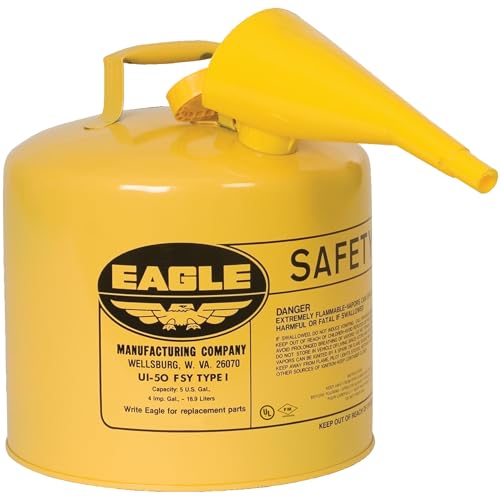
Eagle 5 Gallon Type I Yellow Safety Gas Can

RotopaX 3 Gallon Gasoline Pack

Scepter 5G Gas Can with SmartControl Spout

Surecan 2 Gallon Type-II Safety Container

VEVOR Fuel Caddy 35 Gallon
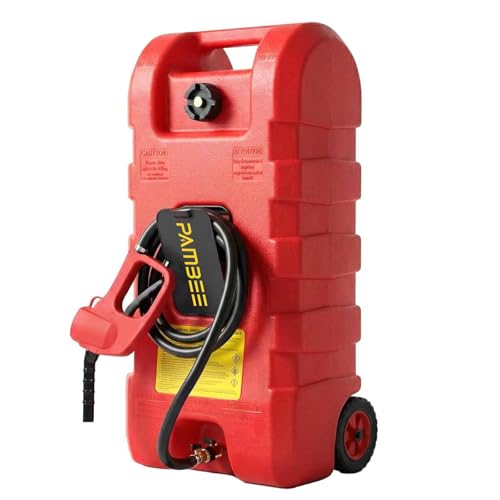
15 Gallon Fuel Caddy with Manual Siphon Pump

15 Gallon Fuel Caddy with Manual Siphon Pump

15 Gallon Fuel Caddy with Manual Siphon Pump
The Details Behind The Selections
Type I cans like this one use a single opening for fill and pour, so the handling feels straightforward in a garage or farm shed. The yellow body and diesel-only framing make it a cleaner fit for dedicated equipment storage than a mixed-fuel setup. That simplicity matters most for you if the can stays with one machine type, especially in a busy workshop where labels can get ignored. The funnel adds a practical touch, though the single-opening design still asks for a steadier hand than a separate-pour container.
Where It Helps
- Single-opening layout keeps the workflow simple.
- Yellow coloring makes diesel use easier to separate at a glance.
- Funnel support helps during fills and transfers.
- Gasketed spout cap is built to seal between uses.
Points To Keep In Mind
- One opening means less flexibility than two-port containers.
- Best results depend on careful handling during pour sessions.
- Storage is practical, though the shape feels more utility-first than compact.
Who It Suits Best
You fit this best if you want a dedicated diesel can for tools, mowers, or shop gear and prefer simple hardware over extra moving parts.
Where A Sibling Pick Shines
Scepter 5G Gas Can with SmartControl Spout suits you better if controlled dispensing matters more than the Eagle can’s single-opening layout.
Off-road rigs need a container that stays composed over rough ground, and the RotopaX shape is built around that use case. Seamless construction and a tight seal point toward less mess in trucks, ATVs, UTVs, and overlanding setups, while the red finish keeps it visually separate from more general shop cans. Its three-layer rotational molding, a process that forms plastic in a rotating mold for even wall thickness, explains why it’s aimed at rough handling rather than casual storage. The trade-off is capacity, since 3 gallons suits travel fuel carry better than whole-yard refills.
Useful Strengths
- Seamless body supports leak control on rough trails.
- Three-layer molding points to sturdier wall structure.
- Flat profile helps it sit neatly on rack systems.
- Works well for ATVs, trucks, and camping fuel carry.
Where It Is Less Suited
- Three gallons is modest for larger equipment routines.
- Specialized design makes it feel more purpose-built than general-purpose.
- Storage shape rewards rack mounting more than loose shelf use.
Who Should Grab It
You suit this pick best if your fuel container travels on a trail vehicle or camping rig and needs a compact, sealed footprint.
A Better Fit Elsewhere
VEVOR Fuel Caddy 35 Gallon suits you better if your priority is bulk transfer at home rather than compact travel carry.
This Scepter can leans into controlled pouring, which is exactly what matters around mowers, chain saws, and other yard equipment. The rear handle helps with balance during refill sessions, and the diesel-only setup keeps it neatly separated from gasoline storage. The integrated air vent in the spout helps fuel move faster, so you spend less time waiting at the can. The honest trade-off is that a faster flow still needs attention, because a focused spout is better for control than for speed-walking through the task.
Key Advantages
- SmartControl spout supports steadier pouring.
- Rear handle improves control during refills.
- Air vent helps fuel move with less delay.
- Good match for yard tools and small engines.
Small Caveats
- Diesel-only use limits flexibility.
- Fast flow still rewards careful handling.
- Best suited to regular equipment refills, not bulk storage.
Best Suited To
You benefit most here if you refill diesel equipment often and want a can that feels calmer in hand than a plain utility jug.
Skip It When
Eagle 5 Gallon Type I Yellow Safety Gas Can works better if you want a more basic diesel storage format with a single opening.
Small capacity can be a real advantage in a garage that doesn’t have room for a bulky caddy. Surecan’s rotating spout and self-venting setup point toward easier control during fills, which matters when you’re topping off a generator, trimmer, or compact power tool. The free-spill design is the headline here, and it fits the kind of use where you want less fuss and tighter handling. Two gallons won’t suit a whole fleet, though, so this one makes more sense for short trips and light equipment than for heavy fuel duty.
Positive Points
- Rotating spout helps direct flow more precisely.
- Self-venting design supports smoother pouring.
- 2-gallon size stores neatly in tight spaces.
- Good fit for quick, occasional top-offs.
Worth Bearing In Mind
- Capacity is modest for larger outdoor equipment routines.
- Best use is light, controlled dispensing rather than bulk storage.
- Smaller cans can still need careful cap and spout cleaning after use.
Right Fit For
You fit this container best if your fuel needs stay small and you value easy storage over large capacity.
Look Elsewhere When
Scepter 5G Gas Can with SmartControl Spout suits you better if you want a larger diesel can for repeated yard refills.
Where the smaller cans above focus on portability, this VEVOR caddy is about moving a lot of fuel without carrying it by hand. The 35-gallon tank, four-wheel base, and manual transfer pump make it a fit for cars, lawn tractors, boats, and shop use where volume matters more than hand-carry convenience.
Its carbon steel build gives it a more industrial feel than the polyethylene-bodied 15-gallon caddies later in the list. The trade-off is size, because a tank this large needs space to store and turns better as a garage fixture than a grab-and-go container.
Everyday Advantages
- Large 35-gallon capacity reduces refill frequency.
- Four-wheel layout eases movement across a shop floor.
- Manual pump gives you direct control during transfers.
- Useful for mixed equipment, from boats to mowers.
- Carbon steel construction suits tougher storage jobs.
Practical Considerations
- Footprint is large, so storage space matters.
- Best for stationary or semi-stationary use, not car trunks.
- Cleaning and hose care matter more on a tank this size.
Whose Shelf It Belongs On
You suit this best if fuel transfer happens around a garage, shed, or fleet corner and you want one container to handle several machines.
Another Choice May Suit
PAMBEE 15 Gallon Fuel Caddy with Manual Siphon Pump suits you better if you want a smaller wheeled tank that takes less room.
Feature Snapshot
The 15-gallon format hits a sweet spot for home storage, because it carries real volume without turning into a shop fixture. High-density polyethylene, a tough plastic used for chemical and fuel containers, helps explain the rust-proof claim, and the 10-foot hose gives you reach around a mower bay, ATV rack, or generator pad.
You also get both siphon and gravity-style refueling, which gives you flexibility depending on the machine and the spill angle you want to avoid. The downside is size, since a wheeled caddy still asks for floor room, but for most garages that trade-off feels reasonable.
Everyday Wins
- 15-gallon capacity covers several fill-ups.
- Wheeled format makes movement easier than lifting a full can.
- 10-foot hose gives useful reach around larger equipment.
- Polyethylene tank and nozzle resist rust.
- Two fueling modes add flexibility in daily use.
Things To Weigh
- Storage space matters more than with hand-carry cans.
- Hose and holder need routine organization after use.
- Best value appears when you actually move fuel often.
Made For
You fit this caddy best if you want a mid-size wheeled fuel station for home equipment, not a tiny can or a massive shop tank.
Where Another Pick Fits Better
Surecan 2 Gallon Type-II Safety Container suits you better if you only need compact, occasional fuel storage.
Core Details
This yellow PAMBEE caddy follows the same 15-gallon formula as the red model, so the decision comes down to color preference and shop visibility. The wheeled body, manual siphon pump, and 10-foot hose make it practical for repeated mower, ATV, or generator fills, especially in yards where dragging a can around gets old fast.
High-density polyethylene again gives you rust-resistant storage, which matters more than it sounds once fuel sits for stretches between uses. It’s not a tiny container, though, so the honest read is that you’re paying for convenience in a form that still needs a dedicated corner.
Useful Touches
- Same 15-gallon capacity as the red version.
- Wheels and hose reduce lifting during routine refills.
- Rust-resistant polyethylene suits long-term storage.
- Yellow finish stands out in a crowded garage.
Points To Note
- Like the red model, it still needs floor space.
- Best for recurring use rather than compact storage.
- Manual fueling works well, but it still asks for attention and cleanup.
Best Suited To
You fit this model best if you want a regular-use wheeled fuel caddy and value high visibility in the garage.
Swap It Out When
PAMBEE 15 Gallon Fuel Caddy in Red suits you better if you prefer the same setup in a different color for easier sorting.
Feature Overview
The grey version follows the same hardware pattern as the other PAMBEE caddies, but the bundle note stands out because it includes gloves. That makes the package feel more ready for routine garage use, especially for you if fuel handling is part of weekend maintenance instead of a rare chore.
Like the other 15-gallon models, it gives you a wheeled tank, a manual siphon pump, and a 10-foot hose for practical reach. The trade-off is familiar too, since a container this size works best in a dedicated space rather than a crowded corner.
Benefits That Matter
- 15-gallon size suits repeated home fueling.
- Included gloves add a practical package touch.
- Wheels and long hose make handling easier.
- Grey finish keeps the look understated in a workshop.
Areas To Watch
- Same storage footprint as the other 15-gallon caddies.
- Accessory bundle matters more to some setups than others.
- Manual pumping still calls for steady, hands-on use.
Who Will Love This
You suit this caddy best if you want a practical fuel station with a small accessory bonus and prefer a muted finish.
A Better Fit Elsewhere
RotopaX 3 Gallon Gasoline Pack suits you better if you need compact fuel carry for travel instead of garage storage.
The Main Details
What Matters Most Before Choosing Gas Storage Containers
Capacity And Use Pattern
Smaller cans work best for tight storage spaces, quick top-offs, and single-machine garages. Larger caddies suit homes with mowers, generators, boats, or several vehicles that all pull from the same fuel supply.
Pour Control And Container Style
A single-opening safety can keeps things simple, while rotating spouts and vented designs can make dispensing feel calmer. Wheeled transfer tanks make the most sense once lifting a full container starts feeling like the wrong job.
Material And Storage Space
Steel usually fits rougher, more stationary storage, while high-density polyethylene keeps weight and rust concerns lower. Measure your shelf, floor corner, or trailer space before you choose, because capacity means little if the container has nowhere sensible to live.
Practical Checks Worth Making
Wrong Turns To Avoid
Don’t match capacity to wishful thinking, because oversized tanks crowd small garages and undersized cans create extra refill runs. Also avoid mixing fuel types in containers that are clearly set up for one use, since that creates confusion later.
Where The Extra Money Goes
Higher-tier containers usually pay for better spouts, stronger bodies, wheels, pumps, or more controlled pouring. That upgrade makes sense when you move fuel often, work around larger equipment, or want fewer awkward spills during regular use.
Frequently Asked Questions
What size gas storage container suits a home garage?
A 2 to 5 gallon can works for light equipment and compact storage. A 15 gallon caddy suits more regular yard or generator use.
Why do some containers have one opening and others have separate spouts?
A single-opening Type I can keeps the design simple. Separate fill and pour hardware usually gives you more control during dispensing.
Is a wheeled fuel caddy worth it?
It is, once you move fuel often or deal with larger volumes. Wheels save your arms and make shop routing simpler.
What material should you look for first?
High-density polyethylene suits rust-resistant, lighter handling. Steel makes more sense for heavier-duty, fixed-location storage.
Why does the spout design matter so much?
The spout shapes how much control you have over the pour. Better control usually means less mess around vehicle tanks, mowers, and generators.
Final Thoughts
You get the cleanest match when the container fits your fuel type, your storage space, and how often you actually pour from it. The small cans suit simple jobs, while the wheeled caddies make sense for heavier routines. Pick the shape that matches your garage, and the rest gets easier.