
Choosing a gas water heater can feel like picking the right key for a locked door. You want one that fits your space, fuel source, and hot water demand without wasting energy or money.
From portable propane units for camping to tankless systems for whole-house use, each option brings different strengths, and the details that separate them may matter more than you think.


More Details on Our Top Picks
Watts H2O Hot Water Recirculation System (0955805)
If you are tired of waiting for hot water, the Watts H2O Hot Water Recirculation System (0955805) is a smart fit for busy homes that want faster showers and less waste. You get hot water in about 15 seconds, thanks to thermal bypass technology that moves cool water back to the heater until the line reaches 98°F. You can install it yourself without a return line or extra under-sink power. It runs on 120 V, includes a timer, and may save up to 15,000 gallons yearly. It is not for tankless heaters, and Watts backs it with a 3 year warranty.
- Fuel Type:Electric
- Heater Type:Recirculation system
- Flow Rate:N/A
- Heat Output:N/A
- Installation:DIY under-sink
- Warranty:3 years
- Additional Feature:Thermal bypass technology
- Additional Feature:24-hour programmable timer
- Additional Feature:No dedicated return line
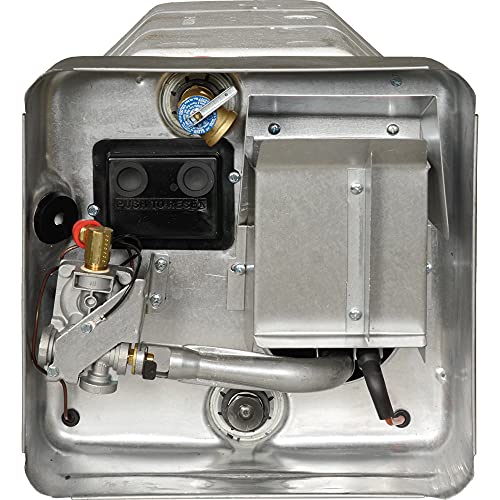
Suburban Advantage RV Water Heater SW6D 6-Gallon DSI
The Suburban Advantage RV Water Heater SW6D 6-Gallon DSI is a reliable choice for hot water in a compact, floor-mount unit built for RV use. It features a porcelain-lined steel tank, direct spark ignition, and a 12,000 BTU gas burner for fast heating. For added flexibility, you can install the 1,440-watt electric element for campsite or generator power. A replaceable anode rod helps protect against corrosion, and the flue design improves heat transfer. At 34 pounds, the unit is easy to handle, energy efficient, and covered by solid warranties.
- Fuel Type:Gas
- Heater Type:Tank water heater
- Flow Rate:0.17 GPM
- Heat Output:12,000 BTU
- Installation:Floor mount
- Warranty:2-year unit / 3-year tank
- Additional Feature:Replaceable anode rod
- Additional Feature:Porcelain-lined steel tank
- Additional Feature:Flue tube design
CAMPLUX 1.32 GPM Portable Propane Water Heater (AY132B)
CAMPLUX’s AY132B portable propane water heater is a strong fit when you need quick hot water outdoors without a bulky setup. You get 34,000 BTU of power, 1.32 GPM flow, and temperatures up to 167°F in a compact 10-pound frame. Setup takes about 10 minutes, and battery ignition helps you start it easily with 3 PSI incoming water pressure. It is CSA certified and provides 6-in-1 protection against freezing, overheating, dry combustion, and more. A shower hose, gas regulator, and multiple mounting options are included for camping, RVs, cabins, or other off-grid use.
- Fuel Type:Propane
- Heater Type:Tankless portable
- Flow Rate:1.32 GPM
- Heat Output:34,000 BTU
- Installation:Wall mount
- Warranty:1 year
- Additional Feature:6-in-1 protection
- Additional Feature:Low 3 PSI start
- Additional Feature:10-minute setup
Ranein Natural Gas Tankless Water Heater 8.5 GPM
Ranein’s Natural Gas Tankless Water Heater delivers 190,000 BTU and up to 8.5 GPM, making it a strong pick for households that need reliable hot water for 4 to 6 outlets at once. You get instant heat without waiting for a tank to recover, so showers, sinks, and appliances stay ready. The underside blower helps block smoke backflow, and automatic speed control supports efficient combustion in changing conditions. Its compact 3/4″ NPT design simplifies indoor installation. You also get low noise, a 2 year warranty, and support if you need help setting it up or using it safely.
- Fuel Type:Natural gas
- Heater Type:Tankless whole-home
- Flow Rate:8.5 GPM
- Heat Output:190,000 BTU
- Installation:Indoor install
- Warranty:2 years
- Additional Feature:Under-mounted blower
- Additional Feature:4-6 outlet support
- Additional Feature:2000-foot elevation limit
Portable Propane Tankless Water Heater for RV Camping
If you need hot water on the go for RV trips, this portable propane tankless water heater stands out with 42,000 BTU/hour of power and a 6 L/min on-demand flow rate, so you can fire it up without waiting for preheating. You will also appreciate its 2.5 PSI startup, adjustable heat and water flow, and automatic ignition that saves energy. Safety features include CSA approval, flameout shutoff, overheat and antifreeze protection, and a drain plug. It is compact, easy to carry, quick to install, and ideal for camping, boats, cabins, and outdoor showers.
- Fuel Type:Propane
- Heater Type:Tankless portable
- Flow Rate:1.58 GPM
- Heat Output:42,000 BTU
- Installation:Portable mount
- Warranty:24 months
- Additional Feature:2.5 PSI startup
- Additional Feature:Flameout shutoff
- Additional Feature:Rear mounting bracket
CAMPLUX Propane Portable Tankless Water Heater (2.64 GPM)
The CAMPLUX BW264S is a solid choice if you need instant, portable hot water for outdoor use or a small setup, because it delivers 2.64 GPM on liquid propane without a preheat wait. It provides 68,000 BTU of heating power, CSA certification, flame failure protection, overheat shutoff, and anti-freeze drainage. Its compact 13-inch by 21.7-inch alloy-steel body weighs about 18 to 23 pounds, so you can carry and mount it easily. Installation can take about 15 minutes, and the included regulator and shower head help you get started quickly.
- Fuel Type:Propane
- Heater Type:Tankless portable
- Flow Rate:2.64 GPM
- Heat Output:68,000 BTU
- Installation:Hanging bracket
- Warranty:1 year
- Additional Feature:CSA certified
- Additional Feature:11.5% energy saving
- Additional Feature:Anti-freezing drain plug
Factors to Consider When Choosing a Water Heater Gas
When you choose a gas water heater, check fuel type compatibility, heating capacity, and the flow rate your home requires. Also review safety features, so the system operates reliably and protects your household. Do not overlook installation requirements, since the correct setup affects both performance and ease of use.
Fuel Type Compatibility
Before choosing a gas water heater, confirm which fuel sources your site can actually support: natural gas, propane (LPG), or liquid petroleum. Each fuel requires the correct burner orifice size, pressure regulator, and supply-line fittings. You also need to check line pressure and delivery capacity. Natural gas often provides a steadier whole-home supply; propane depends on tank size and regulator strength to meet peak demand. Match the heater’s BTU input and combustion requirements to your fuel system so it operates safely and efficiently. Do not ignore local codes, appliance certification, approved valves, venting rules, or altitude adjustments. Finally, weigh fuel availability, cost, and storage logistics. Natural gas is usually simpler, while propane requires refills, on-site storage, and permits.
Heating Capacity
Heating capacity is the next major factor to check, because your gas water heater must match how much hot water your household actually uses. It is measured in BTU per hour; smaller homes may need around 30,000 BTU/h, while high-demand households can require 150,000 BTU/h or more. Choose a size that fits your peak usage so you do not run short when several fixtures are active at once. If you are buying a storage tank, higher input BTU generally means quicker recovery after you have used up hot water. For tankless models, make sure the unit can handle your incoming cold-water temperature and still raise it enough for comfortable use. The right capacity keeps temperature steady and service reliable.
Flow Rate Needs
Flow rate needs tell you how much hot water your gas heater can deliver at once. Start by adding up your peak simultaneous demand from fixtures like showers and kitchen sinks. Add each fixture’s flow rate to find the minimum continuous GPM you need. If you expect a shower at 2 GPM and a kitchen sink at 1.5 GPM, choose a heater that can exceed that total. Higher GPM units require more BTU input to maintain the same temperature rise, especially when incoming water is cold. For example, raising water 50°F at 5 GPM takes much more power than at 2 GPM. Allow 10 to 20 percent headroom for future use. Small RVs or cabins may need 1 to 2 GPM, while whole house setups often need 5 to 8 plus GPM.
Safety Features
When you compare gas water heaters, safety features should be a top priority. Choose models with automatic flame failure or gas shutoff protection, so the unit cuts fuel immediately if the burner goes out and reduces leak and explosion risk. Select units with overheat and high-temperature limit controls that shut the system down before water becomes dangerously hot or parts are damaged. If your heater may face cold conditions, check for freeze protection, such as drain plugs or low-temperature shutoff, to help prevent ruptures. Confirm pressure-relief valves and clear maximum working-pressure ratings, since they guard against internal overpressure and failure. Finally, look for CSA, ANSI, or similar certifications, and safety interlocks, such as low-flow or dry-fire protection, which help guarantee safe operation.
Installation Requirements
Installation requirements can make or break a gas water heater choice, so check them before you buy. Match the unit to your fuel type, because natural gas and propane use different supply lines, regulators, and code-based clearances. Next, confirm your gas meter and piping can handle the heater’s maximum BTU demand without a significant pressure drop. Plan for venting and combustion air as well. Direct-vent and power-vent models need the correct vent size, adequate termination space, and often a blower. Do not forget electrical needs, since many units require 120 V or low-voltage power for ignition or controls. Finally, ensure you have enough space, service access, mounting support, and proper drain or relief-line routing.
Energy Efficiency
Energy efficiency should be a top priority, because the right gas water heater can cut fuel use without sacrificing comfort. You should check the unit’s thermal efficiency and Energy Factor, or UEF; higher numbers mean more fuel becomes hot water instead of wasted heat. If you want even better performance, consider a tankless gas heater, since it avoids standby losses and can match intermittent demand well. Look for modulating burners and variable-speed blowers, too, because they adjust output to your actual hot water use. With storage tanks, balance recovery rate against standby loss. In your home, pipe heat loss, recirculation, and setpoint matter as well. Dropping the temperature just 1 to 2°F can trim fuel use noticeably.
Warranty Coverage
After you narrow your choices by efficiency, check the warranty details before you buy a gas water heater. Compare how long the tank, heat exchanger, and electronic controls are covered, because some plans protect only parts while others include labor too. Look for tank or heat exchanger coverage that usually runs from 1 to 10 years, and note when full replacement shifts to prorated protection. Make sure you can meet the installation and maintenance rules, since professional setup and annual service often keep the warranty valid. Read the exclusions closely for freeze damage, sediment, scale, venting problems, or fuel supply issues. Also confirm whether the warranty transfers, needs registration, adds service call fees, and requires authorized technicians for repairs and claims.
Frequently Asked Questions
How Often Should a Gas Water Heater Be Professionally Serviced?
Have your gas water heater professionally serviced once a year. This helps catch problems early, improves efficiency, and extends the unit’s life. If you notice leaks, rust, or unusual noises, schedule service immediately.
What Safety Features Are Most Important in Gas Water Heaters?
Prioritize flame-failure protection, an overheating cutoff, sealed combustion, a pressure relief valve, and carbon monoxide monitoring. These features help prevent gas leaks, overheating, explosions, and dangerous exhaust buildup in your home.
Can a Gas Water Heater Work During a Power Outage?
Yes, a gas water heater can often work during a power outage, but not always. If it uses electronic ignition or has powered venting, it will lose heat. Standing pilot models may keep running, like a stubborn candle.
How Long Does a Typical Gas Water Heater Last?
You can expect a typical gas water heater to last about 8 to 12 years. With good maintenance, soft water, and timely repairs, it may reach 15 years. Inspect the tank regularly for leaks, rust, or weak heating.
What Permits Are Needed for Gas Water Heater Installation?
You will usually need a plumbing permit, and sometimes a gas or mechanical permit as well. Your city may also require an inspection. Call your local building department first so you avoid running into red tape.